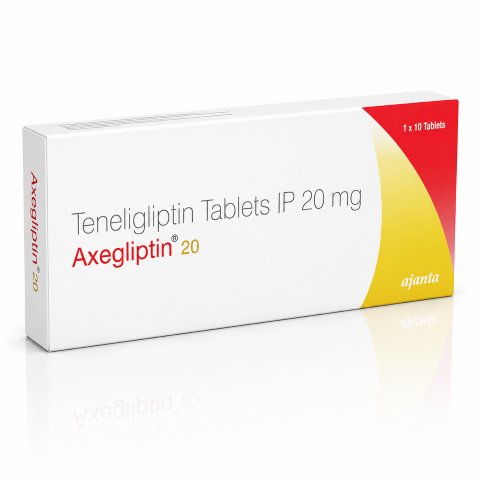

Glyciphage 250 MG Tablet
$0.03 / unit
Available Options
| Pack Size | Price | Price / Unit | Quantity | Action |
|---|---|---|---|---|
| 180 Tablets | $5.40 | $0.03/unit | ||
| 150 Tablets | $4.50 | $0.03/unit | ||
| 120 Tablets | $3.60 | $0.03/unit | ||
| 90 Tablets | $2.70 | $0.03/unit | ||
| 60 Tablets | $1.80 | $0.03/unit | ||
| 30 Tablets | $0.90 | $0.03/unit |
Product Description
What Is This Medicine?
GLYCIPHAGE 250 MG TABLET contains Metformin Hydrochloride 250 mg , an oral antidiabetic medicine belonging to the biguanide class. Metformin helps control blood glucose mainly by: reducing glucose production by the liver improving the body's sensitivity to insulin helping body tissues use glucose more effectively reducing elevated blood-glucose levels The manufacturer's information describes Glyciphage as an oral antihyperglycemic medicine that decreases hepatic glucose production and helps overcome insulin resistance.
This medicine is commonly used for:
- type 2
- diabetes mellitus controlling high blood-glucose levels improving overall glycemic control reducing fasting blood glucose lowering HbA1c
- diabetes not adequately controlled by diet and exercise alone combination treatment with other antidiabetic medicines when prescribed polycystic ovary syndrome (PCOS) in selected patients when prescribed Current Indian product information lists type 2
- diabetes as the principal indication and also notes use of metformin in PCOS. Important: Glyciphage should be used as part of an appropriate
- diabetes-management program that includes diet, exercise, weight management, and regular blood-glucose monitoring
What Should I Tell My Health Care Provider Before I Take This Medicine?
They need to know if you have any of these conditions: allergy to metformin or any ingredient in the tablet
- kidney disease or reduced kidney function
- liver disease severe heart problems diabetic ketoacidosis previous lactic acidosis severe dehydration severe infection breathing problems or conditions causing reduced oxygen levels excessive alcohol consumption if you are fasting or eating substantially less than usual if you are undergoing major surgery if you are having an X-ray or scan involving iodinated contrast if you use insulin if you take other
- diabetes medicines if you are pregnant or planning pregnancy if you are
- breastfeeding Current Glyciphage information specifically advises patients to tell their doctor if they have kidney, liver, or heart problems before starting treatment. Tell your healthcare professional about all prescription medicines, nonprescription medicines, vitamins, herbal preparations, and supplements you use.
How Should I Use This Medicine?
Take Glyciphage 250 mg Tablet exactly as prescribed by your healthcare professional . For appropriate use: take the tablet with food swallow it with water take it at approximately the same time each day take only the prescribed dose continue your recommended diabetic diet maintain regular physical activity monitor your blood glucose as instructed do not increase or decrease your dose yourself do not stop treatment without consulting your healthcare professional Taking Glyciphage with food can help reduce gastrointestinal effects such as
- nausea and abdominal discomfort. Your healthcare professional will determine the appropriate dose according to your blood-glucose levels, kidney function, other medicines, and response to treatment. Important: 250 mg is the strength of each tablet. It does not mean this is the correct dose for every patient.
What If I Miss A Dose?
If you miss a dose of Glyciphage: take it when you remember unless it is nearly time for your next dose if your next dose is near, skip the missed dose continue with your normal dosing schedule Do not take two doses together to compensate for a missed tablet. Take Glyciphage consistently as prescribed for optimal blood-glucose control.
What May Interact With This Medicine?
Metformin may interact with: insulin sulfonylureas such as glimepiride, gliclazide, and glipizide other antidiabetic medicines certain diuretics corticosteroids medicines that can affect kidney function some blood-pressure medicines medicines that can alter blood-glucose levels iodinated contrast agents used during certain imaging procedures excessive alcohol The manufacturer states that Glyciphage can be used with several other antidiabetic classes or insulin when medically appropriate. Iodinated contrast procedures Because Glyciphage contains metformin, it may need to be temporarily discontinued around certain imaging procedures involving iodinated contrast , depending on kidney function and other clinical circumstances. Always tell the radiology or medical team that you take metformin before undergoing a contrast-enhanced scan.
What Should I Watch For While Using This Medicine?
Your healthcare professional may monitor your: fasting blood glucose post-meal blood glucose HbA1c kidney function/eGFR body weight vitamin B12 levels during long-term treatment when appropriate Regular blood-glucose monitoring and continued diet and exercise are important during treatment. Kidney function Metformin is eliminated largely through the kidneys. If kidney function becomes significantly impaired, metformin can accumulate in the body and increase the risk of serious adverse effects. Kidney function should therefore be assessed when clinically appropriate. Lactic acidosis warning Metformin can rarely cause lactic acidosis , a serious medical emergency. Seek urgent medical attention if you develop symptoms such as: severe weakness unusual or extreme tiredness persistent
- nausea or
- vomiting abdominal discomfort difficulty breathing unusual muscle pain
- dizziness or light-headedness feeling unusually cold severe
- drowsiness confusion The risk can increase in situations such as significant kidney impairment, severe dehydration, serious infection, reduced oxygen supply to tissues, or excessive alcohol intake.
What Side Effects May I Notice From This Medicine?
Common side effects may include:
- nausea
- vomiting diarrhea abdominal discomfort stomach pain decreased appetite
- headache Current Glyciphage 250 product information lists diarrhea,
- nausea,
- vomiting, abdominal discomfort,
- headache, and loss of appetite among commonly reported effects. Taking the medicine with food may help reduce gastrointestinal side effects. Side effects that you should report promptly: symptoms suggesting lactic acidosis severe or persistent
- vomiting severe diarrhea significant dehydration severe weakness unusual breathing difficulty severe abdominal pain severe allergic reaction swelling of the face, lips, tongue, or throat difficulty breathing or swallowing What about low blood sugar? Metformin used alone generally has a low risk of causing hypoglycemia . The manufacturer's information notes that Glyciphage itself does not normally produce hypoglycemia. However, low blood sugar may occur when Glyciphage is combined with: insulin sulfonylureas other medicines capable of causing hypoglycemia inadequate food intake in susceptible patients Symptoms may include: sweating shaking or trembling intense hunger
- dizziness weakness confusion
- headache rapid heartbeat blurred vision Follow your healthcare professional's individualized plan for treating low blood sugar. Vitamin B12 and long-term treatment Long-term treatment with metformin can reduce vitamin B12 levels in some patients. Tell your healthcare professional if you develop: unusual tiredness weakness numbness or tingling pale skin sore or red tongue symptoms suggestive of anemia or neuropathy Your healthcare professional may check vitamin B12 levels when clinically appropriate. What happens if I take too much? Taking substantially more Glyciphage than prescribed can be dangerous and may increase the risk of lactic acidosis . Seek urgent medical attention after a significant overdose, particularly if you develop: severe
- nausea or
- vomiting abdominal pain unusual weakness rapid or difficult breathing severe
- drowsiness confusion feeling unusually cold Do not take additional Glyciphage tablets to compensate for a high blood-glucose reading or a high-carbohydrate meal. What happens if I suddenly stop taking this medicine? Do not stop Glyciphage simply because your blood-glucose readings have improved. Stopping treatment without medical advice may cause: blood glucose to rise HbA1c to increase worsening
- diabetes control Poorly controlled
- diabetes over time can increase the risk of complications affecting the: kidneys eyes nerves heart blood vessels Current product guidance recommends taking Glyciphage regularly and not stopping it unless your healthcare professional recommends doing so. Diet and lifestyle while taking Glyciphage Glyciphage works best as part of a complete
- diabetes-management program. Follow your healthcare professional's recommendations regarding: balanced carbohydrate intake portion control limiting excessive refined sugars regular physical activity maintaining an appropriate body weight regular blood-glucose monitoring HbA1c testing routine kidney monitoring routine eye examinations appropriate foot care The manufacturer's information describes Glyciphage as an adjunct to diet and exercise for improving glycemic control. Avoid excessive alcohol consumption because it can increase the risk of serious metformin-related adverse effects.
Where Should I Keep My Medicine?
Keep Glyciphage 250 mg Tablet : in its original blister packaging according to the storage temperature stated on the product pack protected from excessive heat protected from moisture away from direct sunlight securely out of the reach of children Do not use tablets after their expiration date or if the blister packaging has been damaged.