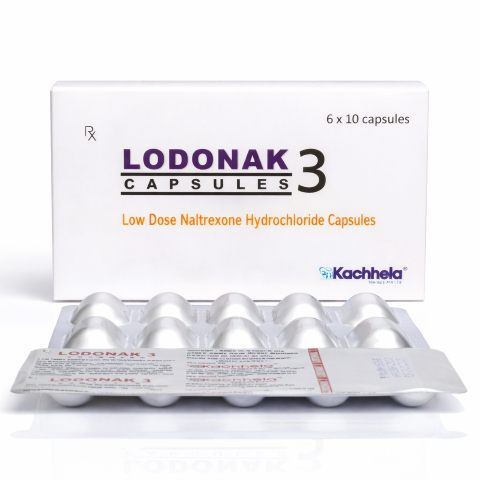
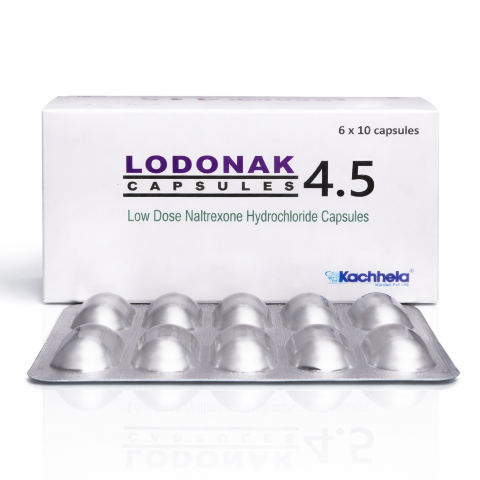
What is this medicine? Lodonak 3 mg contains naltrexone , an opioid antagonist. It’s primarily used in medication-assisted treatment for alcohol dependence and opioid dependence , helping reduce cravings and block the euphoric effects if relapse occurs. At this lower dose, it may also be used off-label for chronic pain or inflammation in conditions like fibromyalgia or multiple sclerosis. What should I tell my health care provider before I take this medicine? They need to know if you have any of these: Liver disease or impaired liver function , as naltrexone can cause hepatotoxicity. Current opioid use —you must be opioid-free (usually 7–10 days) before starting to avoid precipitating withdrawal. Kidney disease or other severe medical conditions —dose adjustments or caution may be required. Allergy to naltrexone or naloxone . Pregnant or breastfeeding , as safety in these groups is unclear. Upcoming surgery —discontinue naltrexone about 7 days before a planned procedure. How should I use this medicine? Take 3 mg orally once daily , with or without food. Swallow whole—do not crush or chew. It may take several weeks to notice benefits in cravings or pain relief (if using off-label). Do not stop abruptly without consulting your provider to avoid relapse or withdrawal. Overdose: If you believe you’ve taken too much, seek emergency medical attention immediately. Missed dose: Take once remembered, unless it’s close to your next scheduled dose—then skip the missed dose. Do not double up. What may interact with this medicine? Opioids —will be blocked and may trigger withdrawal. CYP-metabolized medications —CYP inhibitors can affect naltrexone levels. CNS depressants —such as alcohol or sedative medications. Herbal supplements , particularly opioid-related ones like St. John’s wort. Always inform your provider of all medications, supplements, or herbal products you’re taking. What should I watch for while using this medicine? Liver function tests recommended periodically due to potential hepatotoxicity. Avoid opioids or alcohol while taking Lodonak. Pregnant women should avoid handling broken or crushed capsules. Watch for liver injury signs: dark urine, yellowing of eyes/skin, abdominal pain. Monitor mental health : depression or suicidal thoughts may occur. Be cautious when donating blood during and for some time after treatment. What side effects may I notice from this medicine? Report immediately: Signs of liver injury (jaundice, dark urine, upper abdominal pain). Severe allergic reactions (rash, swelling, breathing difficulty). Severe mood changes , depression, suicidal thoughts. Common (usually mild): Difficulty sleeping or vivid dreams Nausea , vomiting, abdominal cramps Headache , dizziness, anxiety Muscle/joint pain , fatigue, decreased appetite Rare/serious: Severe liver dysfunction , injection reactions (if using injectables), increased risk of opioid overdose if opioids are taken after stopping naltrexone Where should I keep my medicine? Store in a cool, dry place at 20–25 °C (68–77 °F) ; brief exposures to 15–30 °C are acceptable. Keep away from moisture, heat, and direct sunlight . Keep out of reach of children . Do not use after the expiration date. Do not crush or open capsules—swallow whole.