What Are Anabolic Steroids Used For?
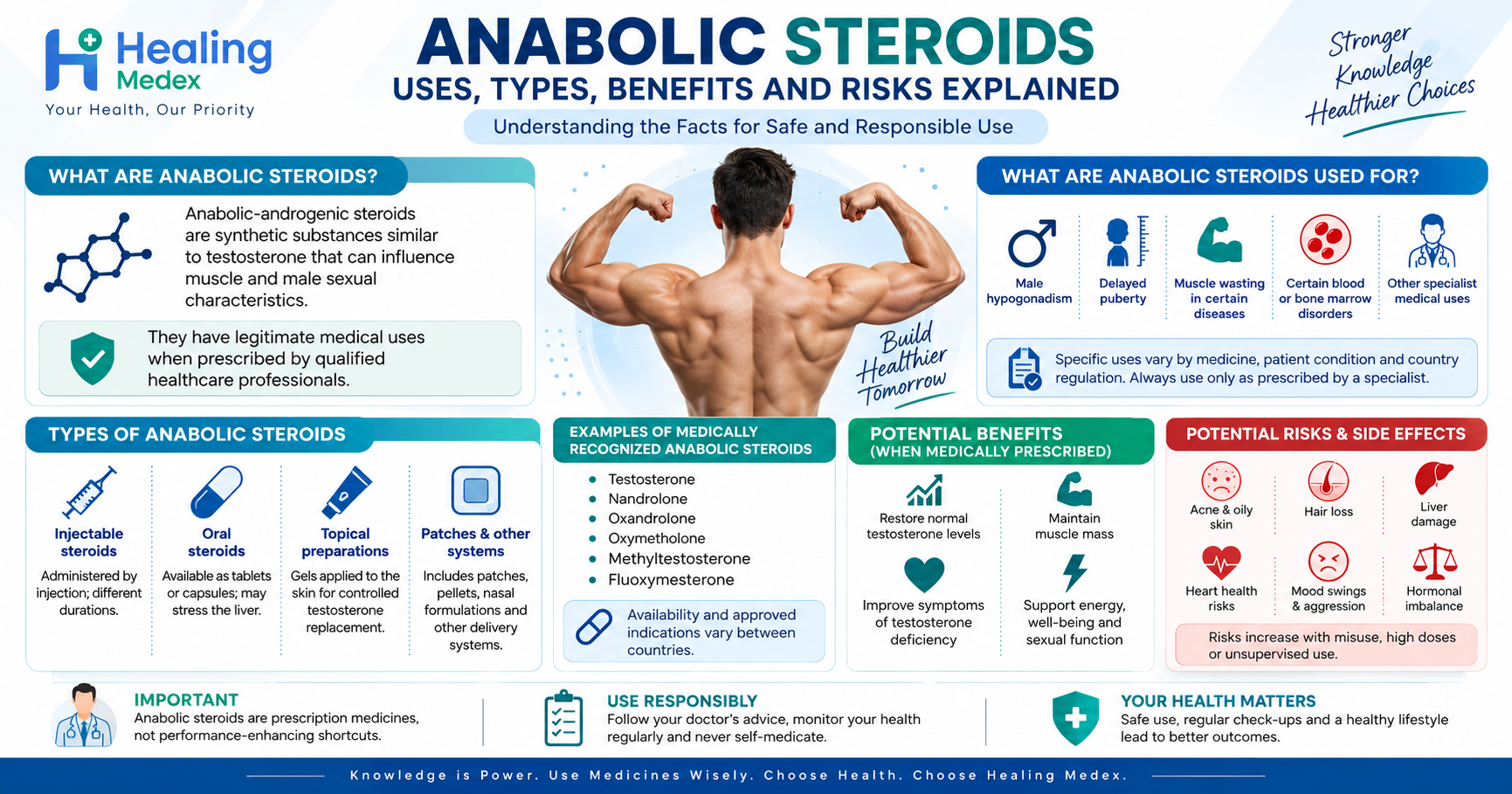
Anabolic-androgenic medicines have legitimate medical applications when prescribed by qualified healthcare professionals.
Specific indications vary according to the medicine, patient and regulatory approval in each country.
1. Male Hypogonadism
One of the most important medical applications of testosterone therapy is treating certain men with hypogonadism.
Hypogonadism occurs when the body does not produce sufficient testosterone because of a problem involving the testes, pituitary gland or hypothalamus.
Appropriate testosterone replacement may help restore testosterone levels toward the normal physiological range in properly diagnosed patients.
2. Certain Cases of Delayed Puberty
Specialists may sometimes use androgen therapy in boys experiencing delayed puberty due to particular hormonal disorders.
Treatment requires careful medical supervision because hormones can affect growth and sexual development.
3. Muscle Wasting Associated With Certain Diseases
Anabolic agents have historically been used in selected patients experiencing severe loss of muscle mass related to illnesses such as certain cancers or HIV/AIDS.
They may help stimulate lean tissue development in appropriately selected patients.
4. Certain Blood or Bone-Marrow Disorders
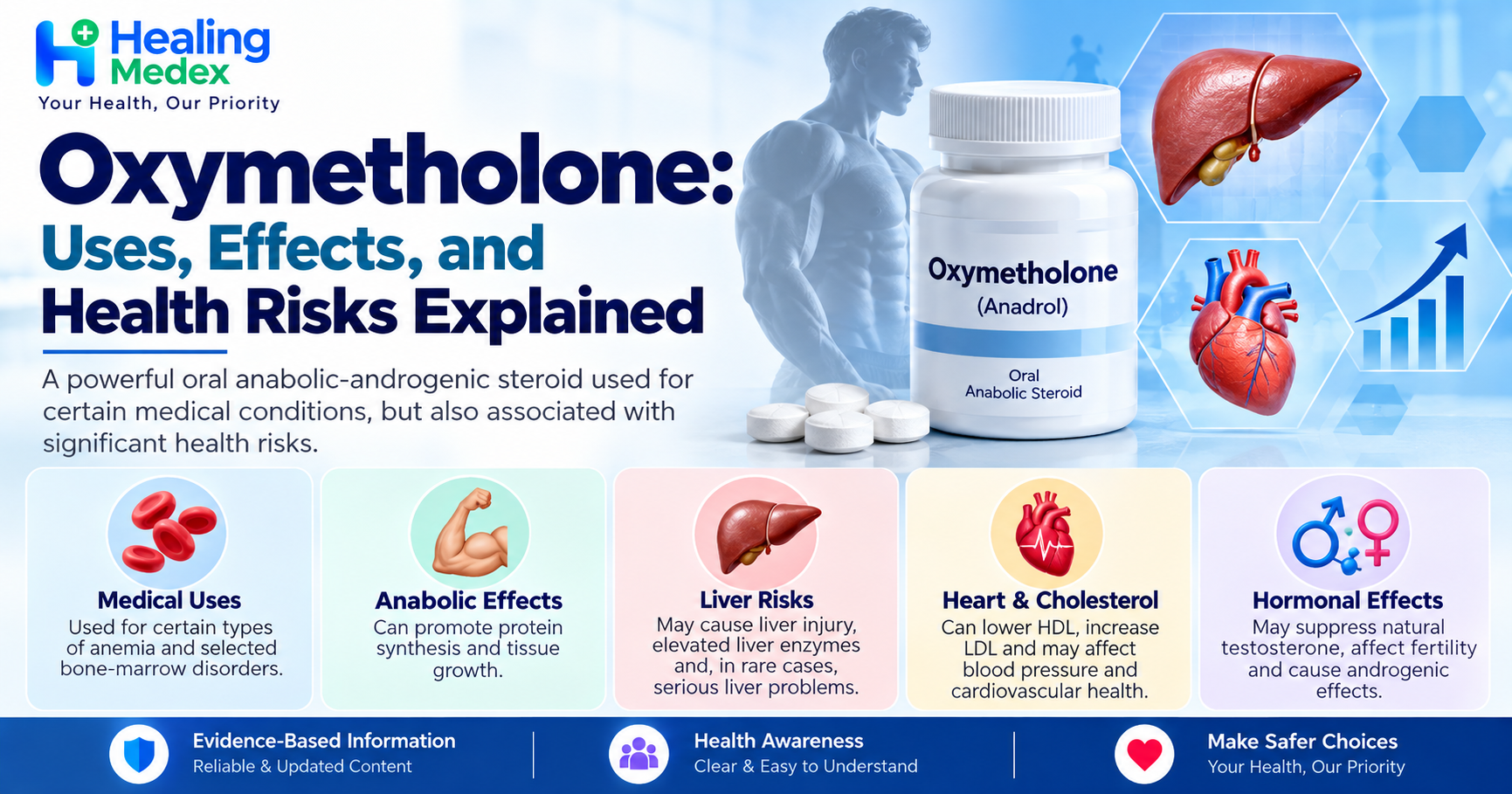
Some anabolic agents have been used for conditions involving inadequate blood-cell production, although modern treatments have replaced steroids in many situations.
Treatment decisions depend on the individual condition and should be made by a specialist.
5. Other Specialist Medical Uses
Certain anabolic-androgenic medicines have also had uses in conditions involving bone health, hormone deficiencies and selected cancers.
Not every anabolic steroid is approved for every condition, and approved uses vary between countries.
What Are the Different Types of Anabolic Steroids?
There are many anabolic-androgenic compounds. Some are derivatives of testosterone, while others have been chemically modified to alter their duration of action or anabolic and androgenic properties.
Examples of medically recognized anabolic-androgenic medicines include:
Testosterone
Methyltestosterone
Fluoxymesterone
Their availability and approved indications vary considerably between countries.
Anabolic-androgenic medicines may also be classified according to how they are administered.
Injectable Anabolic Steroids
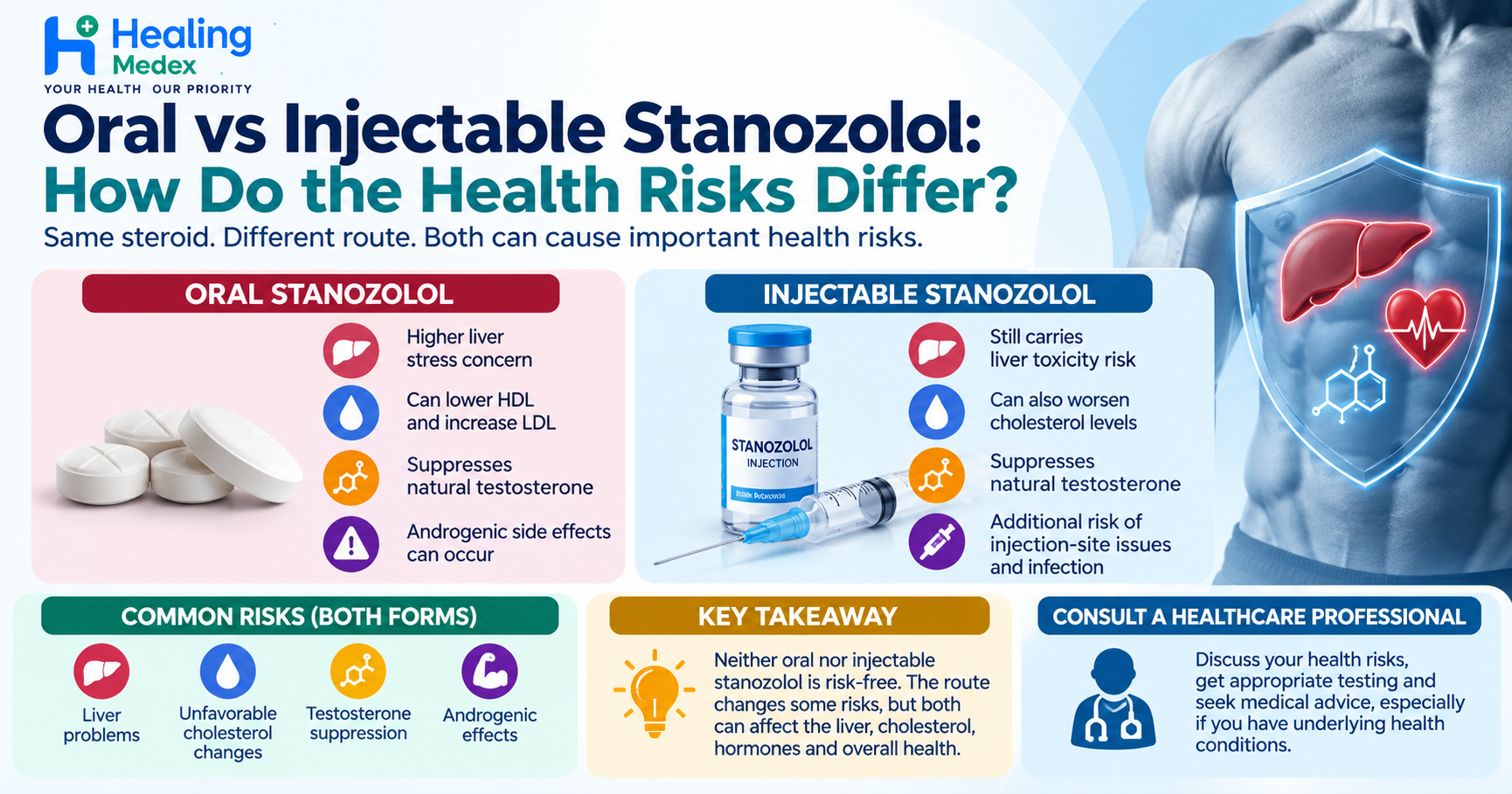
Some testosterone and other androgen preparations are administered by injection.
Different formulations remain active for different lengths of time and therefore require different medically determined dosing intervals.
Oral Anabolic Steroids
Certain anabolic medicines are available as tablets or capsules.
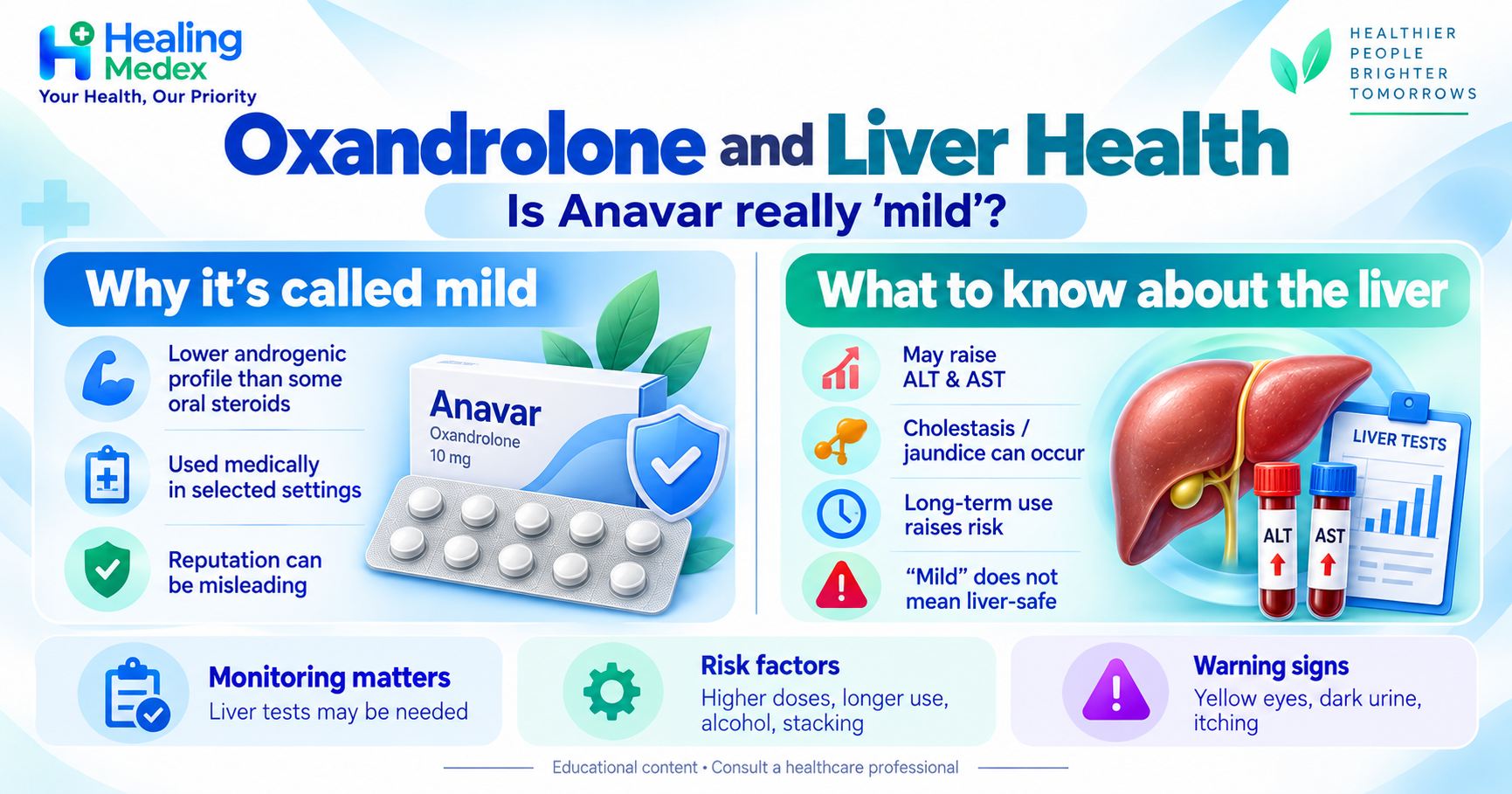
Some orally active anabolic steroids can place substantial stress on the liver, particularly when misused or taken at high doses.
Testosterone Gels and Topical Preparations
Some testosterone replacement products are available as gels or other preparations applied to the skin.
These products are designed to provide controlled testosterone replacement rather than bodybuilding-level hormone exposure.
Testosterone Patches or Other Delivery Systems
Depending on the country, testosterone may also be available through patches, pellets, nasal formulations or other specialized delivery systems.
How Do Anabolic Steroids Work?
Anabolic steroids bind to androgen receptors located throughout the body.
Activating these receptors can influence gene expression and increase processes associated with protein synthesis and tissue development.
Their effects are generally divided into two categories.
Anabolic effects include effects related to muscle and tissue development.
Androgenic effects include changes associated with male sexual development and characteristics such as facial hair, body hair and voice changes.
No anabolic steroid is completely free from androgenic effects.
What Are the Potential Benefits of Anabolic Steroids?
The potential benefits depend heavily on why the medicine is being used.
For patients with a medically confirmed hormone deficiency, appropriately prescribed androgen therapy may help improve symptoms associated with low testosterone.
Depending on the underlying condition, medically supervised treatment may potentially help with:
Restoring testosterone levels
Maintaining muscle mass
Improving symptoms related to testosterone deficiency
Supporting sexual function in appropriately diagnosed patients
Maintaining bone health
Improving certain aspects of body composition
In selected disease-related muscle-wasting conditions, anabolic agents may also help increase muscle size or strength.
These medical benefits should not be confused with claims that anabolic steroids are safe or appropriate for healthy people who simply want faster muscle growth.
Why Do Some People Misuse Anabolic Steroids?
People may use anabolic steroids without medical advice because they believe the drugs will help them:
Gain muscle faster
Increase strength
Improve athletic performance
Change their physical appearance
Recover faster between intense training sessions
Some people combine several substances (“stacking”), repeatedly start and stop them (“cycling”), or progressively change doses (“pyramiding”).
However, there is no evidence that these practices eliminate the serious risks associated with anabolic steroid misuse.
What Are the Risks and Side Effects of Anabolic Steroids?
The risk of adverse effects depends on several factors, including the specific substance, dose, duration of treatment, age, sex, existing medical conditions and whether other substances are being used at the same time.
Misuse involving substantially larger-than-medical doses creates particular concern.
Cardiovascular Problems
Anabolic steroid misuse has been associated with serious cardiovascular complications, including:
High blood pressure
Unhealthy cholesterol changes
Blood clots
Damage to arteries
Reduced heart function
Heart attack
Stroke
Research reviewed by the U.S. National Institute on Drug Abuse notes that anabolic steroid use can raise LDL (“bad”) cholesterol and lower HDL (“good”) cholesterol, potentially contributing to atherosclerosis and cardiovascular disease.
Hormonal Problems in Men
Steroid misuse can interfere with the body’s natural testosterone-production system.
Possible consequences include:
Reduced natural testosterone production
Reduced sperm production
Testicular shrinkage
Infertility
Erectile dysfunction
Breast tissue enlargement
Hair loss
Normal hormone production can take time to recover after anabolic steroid use is stopped, and some changes may persist.
Effects on Women
Anabolic steroids can produce masculinizing effects in women.
Possible changes include:
Increased facial or body hair
Deepening of the voice
Menstrual irregularities
Hair loss
Reduction in breast size
Changes in sexual function
Severe acne
Some androgen-related changes, particularly voice deepening, may not completely reverse after the drug is discontinued.
Liver Problems
Certain anabolic steroids, particularly some oral formulations, can damage the liver.
Potential complications can include abnormal liver function, liver injury and, in severe circumstances, more serious liver disease.
Kidney Problems
Steroid misuse has also been associated with kidney problems, particularly when combined with dehydration, very high protein intake, other performance-enhancing substances or pre-existing kidney disease.
Acne and Skin Changes
Anabolic steroids may stimulate sebaceous glands and increase skin oil production.
Possible effects include:
Oily skin
Facial acne
Back and shoulder acne
Severe inflammatory or cystic acne
People genetically susceptible to androgen-related hair loss may also notice accelerated scalp hair thinning.
Psychological Effects
Steroid misuse can affect mood and behavior.
Reported psychological effects include:
Mood swings
Irritability
Aggressive behavior
Anxiety
Depression
Mania
Paranoia
Delusions
Not everyone experiences these symptoms, but significant mood or behavioral changes require medical attention.
Can Anabolic Steroids Affect Fertility?
Yes.
Using external anabolic-androgenic steroids can suppress the hormonal signals that normally tell the testes to produce testosterone and sperm.
As a result, men may develop:
Reduced sperm production
Lower sperm count
Testicular shrinkage
Low natural testosterone
Reduced fertility
Recovery after stopping steroids varies considerably between individuals and may take months or longer. Medical assessment is recommended when fertility is a concern.
Can Anabolic Steroids Cause Erectile Dysfunction?
They can.
Although testosterone and anabolic steroids may initially increase sexual drive in some people, prolonged or excessive use can suppress the body’s natural hormone production.
When steroid use is discontinued, testosterone levels may remain low for a period of time. This can contribute to symptoms such as:
Reduced libido
Erectile difficulties
Fatigue
Mood changes
Reduced sperm production
Anyone experiencing these symptoms should speak with a qualified healthcare professional rather than attempting to correct hormone levels independently.
Are Anabolic Steroids Addictive?
Anabolic steroid misuse can lead to dependence.
People may continue using steroids despite physical or psychological complications and may feel unable to maintain their appearance or performance without them.
Stopping after prolonged misuse may also be associated with withdrawal symptoms such as:
Depression
Fatigue
Difficulty concentrating
Sleeping problems
Reduced sexual desire
Headaches
Muscle and joint discomfort
Professional medical support can be particularly important for people having difficulty stopping anabolic steroids.
Are Anabolic Steroids Safe?
Anabolic steroids should not simply be classified as either “safe” or “unsafe” without considering how and why they are being used.
When a medically appropriate anabolic-androgenic medicine is prescribed at a therapeutic dose and the patient is properly monitored, its benefits may outweigh its risks.
Non-medical use is different.
Taking anabolic steroids without medical supervision — particularly in large doses, for prolonged periods or in combination with multiple performance-enhancing substances — can substantially increase the risk of serious complications.
What Monitoring May Be Needed During Medical Testosterone or Anabolic Steroid Treatment?
Monitoring depends on the medicine and the patient’s medical history.
A healthcare provider may assess factors such as:
Testosterone or other hormone levels
Blood pressure
Cholesterol and lipid levels
Red blood cell measurements
Liver function
Prostate health when appropriate
Fertility concerns
Treatment response
Possible adverse effects
Patients should attend recommended follow-up appointments and report new symptoms.
When Should You Seek Medical Advice?
Talk with a healthcare professional if you are considering testosterone or another anabolic-androgenic medicine.
Medical evaluation is particularly important if you experience symptoms such as:
Chest pain
Shortness of breath
Severe headache
Sudden weakness or numbness
Yellowing of the skin or eyes
Severe mood or behavioral changes
Persistent erectile dysfunction
Testicular shrinkage
Fertility problems
Significant breast enlargement
Severe acne
Difficulty stopping steroid use
Symptoms suggestive of a heart attack, stroke or another medical emergency require immediate emergency care.
Frequently Asked Questions About Anabolic Steroids
1. Are anabolic steroids testosterone?
Not all anabolic steroids are testosterone, but they are related to testosterone and have anabolic and androgenic activity. Some medications contain testosterone itself, while others are chemically modified testosterone derivatives.
2. Do anabolic steroids increase muscle mass?
Anabolic steroids can stimulate processes associated with muscle growth and may increase lean muscle mass. However, using them without a legitimate medical indication exposes users to significant health risks.
3. Are anabolic steroids the same as protein supplements?
No. Protein supplements provide dietary protein. Anabolic steroids are hormone-active drugs that affect androgen receptors and the body’s endocrine system.
4.Are anabolic steroids the same as corticosteroids?
No. Corticosteroids are primarily used to control inflammation and immune-system activity. Anabolic steroids resemble testosterone and primarily affect androgen-sensitive tissues.
5. Can anabolic steroids reduce natural testosterone?
Yes. External anabolic-androgenic hormones can suppress the body’s normal hormone signaling and reduce natural testosterone production.
6.Can anabolic steroids cause infertility?
Yes. Suppression of normal reproductive hormones can reduce sperm production and fertility in men. Recovery varies from person to person.
7. Can steroid side effects be permanent?
Some effects may improve after stopping, while others can persist. For example, certain androgen-related hair changes and voice deepening in women can potentially be irreversible. Cardiovascular or organ damage may also have long-term consequences.
8. Should anabolic steroids be stopped suddenly?
Anyone using a medically prescribed anabolic-androgenic medicine should speak with their healthcare provider before changing or stopping treatment. People using steroids non-medically who want to stop should also consider obtaining medical guidance, particularly when use has been prolonged or withdrawal symptoms occur.
Conclusion
Anabolic steroids, or anabolic-androgenic steroids, are powerful substances that mimic many of the effects of testosterone.
They have legitimate roles in medicine, particularly for certain hormone deficiencies and selected specialist conditions. When appropriately prescribed, their potential benefits can outweigh their risks for suitable patients.
However, using anabolic steroids without medical supervision to build muscle or enhance athletic performance can have significant consequences. Potential complications involve the heart, blood vessels, liver, kidneys, reproductive system, hormone production, skin and mental health.
The safest approach is to use testosterone or other anabolic-androgenic medicines only when recommended by a qualified healthcare professional and to undergo appropriate medical monitoring throughout treatment.