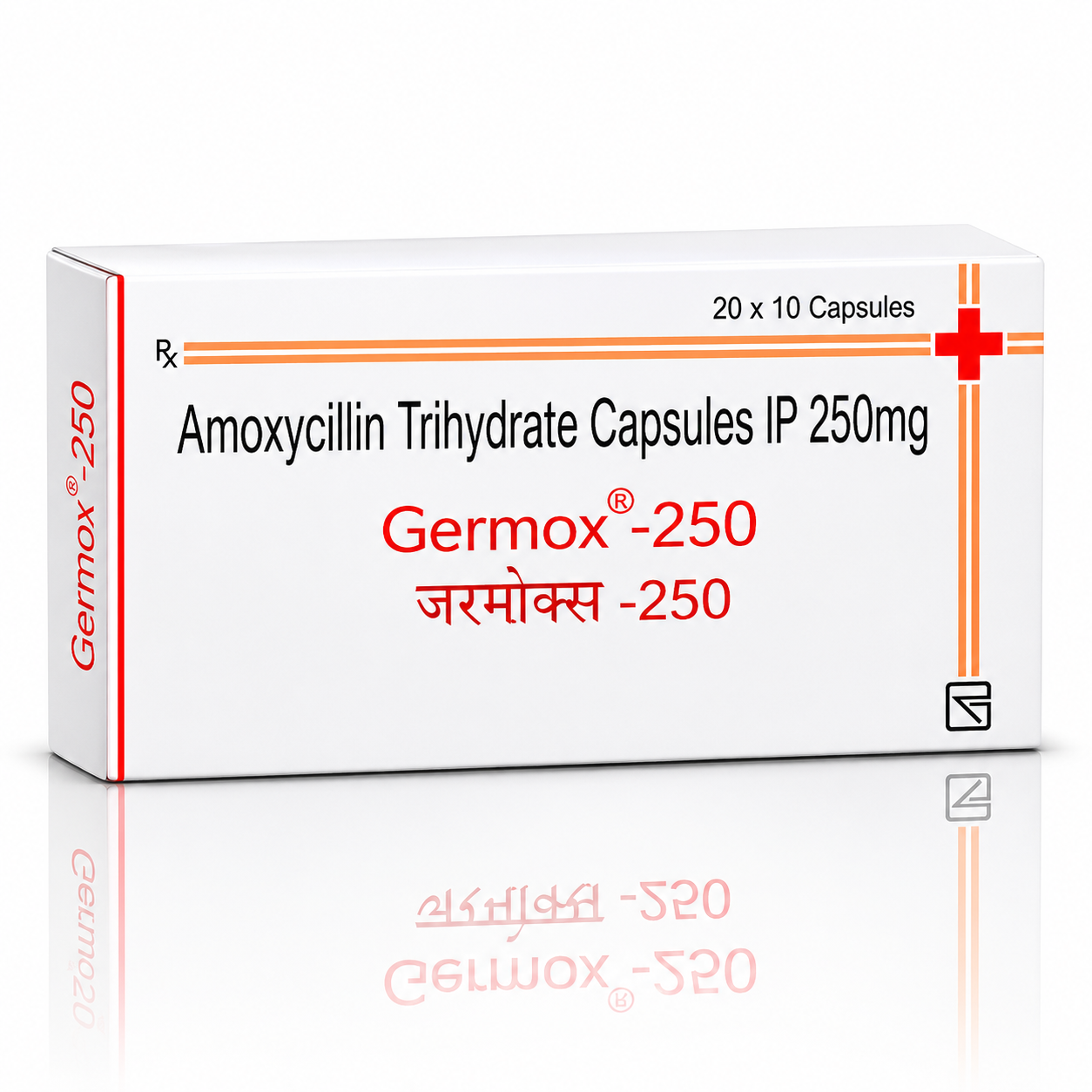
Germox 250 MG Capsule
Starting at just $0.06
$0.09 / unit
| Pack Size | Price | Price / Unit | Quantity | Action |
|---|---|---|---|---|
| 180 Tablets | $15.30 | $0.09/unit | ||
| 150 Tablets | $12.75 | $0.09/unit | ||
| 120 Tablets | $10.20 | $0.09/unit | ||
| 90 Tablets | $7.65 | $0.09/unit | ||
| 60 Tablets | $5.10 | $0.09/unit | ||
| 30 Tablets | $2.55 | $0.09/unit |
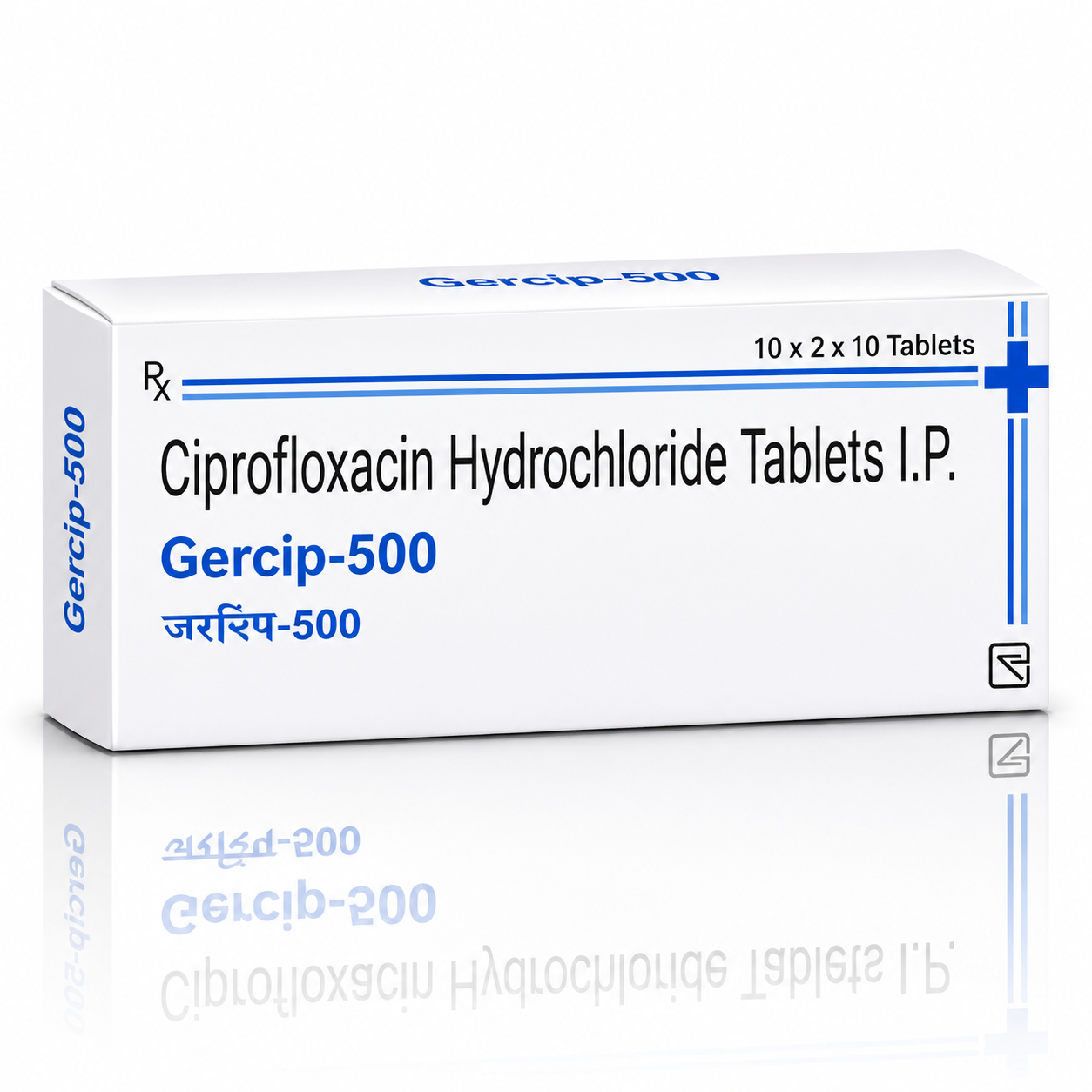
Brand Name: Gercip 500 mg Tablet
Generic Name: Ciprofloxacin
Strength: 500 mg
Dosage Form: Oral Tablet
Therapeutic Class: Fluoroquinolone Antibiotic / Broad-Spectrum Antibacterial Agent
Manufacturer/Marketer: German Remedies / Zydus Group.
CIPROFLOXACIN is a broad-spectrum fluoroquinolone antibiotic used to treat certain bacterial infections caused by susceptible microorganisms.
It works by inhibiting bacterial DNA gyrase and topoisomerase IV, two enzymes essential for bacterial DNA replication, repair, and cell division. This prevents susceptible bacteria from multiplying and leads to bacterial cell death.
Gercip 500 mg Tablet may be prescribed for:
Urinary Tract Infections (UTIs): Certain complicated urinary tract infections caused by susceptible bacteria.
Kidney Infections: Treatment of bacterial kidney infections, including pyelonephritis.
Respiratory Tract Infections: Selected lower respiratory tract infections caused by susceptible bacteria.
Gastrointestinal Infections: Certain bacterial intestinal infections, including selected cases of infectious diarrhea.
Typhoid Fever: Treatment of typhoid fever caused by susceptible Salmonella Typhi.
Skin and Soft Tissue Infections: Certain bacterial infections affecting the skin and underlying tissues.
Bone and Joint Infections: Infections caused by bacteria susceptible to ciprofloxacin.
Chronic Bacterial Prostatitis: Selected bacterial infections affecting the prostate gland.
Intra-abdominal Infections: Certain complicated abdominal infections, usually in combination with another appropriate antibiotic.
The choice of ciprofloxacin should depend on the infection, bacterial susceptibility, local resistance patterns, and the availability of safer suitable alternatives.
Important: Fluoroquinolone antibiotics can cause serious, sometimes disabling and potentially irreversible adverse effects. For uncomplicated urinary tract infections, acute bacterial sinusitis, and acute bacterial exacerbations of chronic bronchitis, ciprofloxacin should generally be reserved for patients without suitable alternative treatment options.
Gercip 500 mg Tablet does not treat viral infections such as the common cold or influenza.
This medicine is for oral use only.
They need to know if you have any of these conditions:
kidney disease or impaired kidney function
liver disease or abnormal liver function tests
myasthenia gravis
history of tendonitis or tendon rupture
history of tendon problems associated with fluoroquinolone antibiotics
epilepsy or a history of seizures
peripheral neuropathy or existing nerve damage
heart disease or irregular heartbeat
prolonged QT interval
low potassium or magnesium levels
diabetes or abnormal blood glucose levels
history of aortic aneurysm or aortic dissection
blood vessel disorders or uncontrolled high blood pressure
history of depression or other psychiatric conditions
glucose-6-phosphate dehydrogenase (G6PD) deficiency
history of severe allergic reactions to ciprofloxacin or other quinolone antibiotics
currently taking corticosteroids
currently taking tizanidine or other interacting medicines
an unusual or allergic reaction to ciprofloxacin, other medicines, foods, dyes, or preservatives
pregnant or planning to become pregnant
breast-feeding
This medicine is for oral use only.
Take Gercip 500 mg Tablet exactly as prescribed by your healthcare provider.
Swallow the tablet with a full glass of water.
This medicine may be taken with or without food.
Do not crush or chew the tablet unless your healthcare provider or pharmacist confirms that the specific formulation may be altered.
Take the medicine at evenly spaced intervals according to your prescribed treatment schedule.
The dosage and duration depend on the type and severity of infection, kidney function, bacterial susceptibility, and individual response to treatment.
Do not increase the dose or take the medicine more frequently than prescribed.
Avoid taking ciprofloxacin together with milk, yogurt, or calcium-fortified juices when these are consumed alone because they may reduce absorption. It may be taken with a meal containing these products.
Take ciprofloxacin at least 2 hours before or 6 hours after antacids containing magnesium or aluminium, sucralfate, iron supplements, zinc supplements, or other mineral-containing products that interfere with absorption.
Drink adequate fluids during treatment unless your healthcare provider has advised fluid restriction.
Avoid excessive caffeine consumption because ciprofloxacin may increase caffeine-related adverse effects.
Do not use this medicine for viral infections or without appropriate medical guidance.
Complete the prescribed treatment course unless your healthcare provider instructs you to stop or change treatment, including because of serious side effects.
Stop taking ciprofloxacin and seek medical advice immediately if you develop tendon pain, unusual numbness, tingling, severe mood changes, or other serious adverse reactions.
Overdosage: Taking excessive amounts may cause nausea, vomiting, dizziness, confusion, seizures, or kidney-related complications. If an overdose is suspected, seek immediate medical attention or contact a poison control center.
NOTE: This medicine is only for you. Do not share this medicine with others.
For immediate-release ciprofloxacin tablets, if you miss a dose and there are 6 hours or more before your next scheduled dose, take the missed dose as soon as possible.
If fewer than 6 hours remain before your next scheduled dose, skip the missed dose and continue your regular schedule.
Do not take two doses together to make up for a missed dose.
If you have missed several doses, consult your healthcare provider for advice about completing treatment.
tizanidine — contraindicated
antacids containing aluminium or magnesium
iron supplements
zinc supplements
calcium supplements
multivitamins containing minerals
sucralfate
warfarin and other anticoagulants
theophylline
corticosteroids such as prednisone and prednisolone
methotrexate
cyclosporine
certain antidiabetic medicines, including insulin and sulfonylureas
certain antiarrhythmic medicines, including amiodarone, sotalol, and quinidine
certain antidepressants and antipsychotic medicines that may prolong the QT interval
phenytoin
certain nonsteroidal anti-inflammatory drugs (NSAIDs)
caffeine
duloxetine
clozapine
sildenafil
other medicines that may affect kidney function or heart rhythm
Tizanidine must not be taken with ciprofloxacin because the combination can cause dangerously low blood pressure and excessive sedation.
Theophylline concentrations may increase during ciprofloxacin treatment, potentially causing serious adverse effects.
Warfarin may require additional monitoring because ciprofloxacin can affect anticoagulant response.
Corticosteroids may increase the risk of tendonitis and tendon rupture when combined with fluoroquinolone antibiotics.
Antacids, iron, zinc, and certain mineral supplements may significantly reduce ciprofloxacin absorption.
Ciprofloxacin can also interact with medicines that prolong the QT interval or affect blood glucose levels.
This list may not describe all possible interactions. Inform your healthcare provider about all prescription medicines, over-the-counter medicines, herbal products, supplements, and other medications you use.
Use this medicine exactly as directed by your healthcare provider.
Gercip 500 mg Tablet is effective only against susceptible bacterial infections.
Symptoms may begin to improve within a few days of treatment, depending on the type and severity of infection.
Complete the prescribed course unless your healthcare provider advises you to stop or change treatment.
Tendonitis and Tendon Rupture: Ciprofloxacin can cause inflammation or rupture of tendons, particularly the Achilles tendon. The risk is higher in older adults, patients taking corticosteroids, and people with kidney, heart, or lung transplants. Tendon injury may occur during treatment or several months afterward.
Stop taking the medicine, rest the affected area, and seek medical attention immediately if you develop tendon pain, swelling, or inflammation.
Peripheral Neuropathy: Ciprofloxacin may cause nerve damage resulting in burning sensations, tingling, numbness, pain, or weakness. Symptoms can begin shortly after treatment starts and may be permanent.
Central Nervous System Effects: This medicine may cause dizziness, confusion, anxiety, depression, hallucinations, or seizures. Contact your healthcare provider immediately if these symptoms occur.
Myasthenia Gravis: Ciprofloxacin may worsen muscle weakness in patients with myasthenia gravis and should generally be avoided in these patients.
Blood Glucose Changes: Ciprofloxacin may cause high or low blood glucose levels, particularly in patients with diabetes who are taking glucose-lowering medicines.
Heart Rhythm Problems: Patients with QT prolongation or those taking certain heart medicines may be at increased risk of irregular heartbeat.
Aortic Aneurysm Risk: Fluoroquinolones have been associated with an increased risk of aortic aneurysm or dissection in susceptible individuals. Seek emergency medical attention for sudden, severe chest, abdominal, or back pain.
Photosensitivity: Ciprofloxacin may increase sensitivity to sunlight. Avoid excessive sun exposure and use appropriate sun protection.
Antibiotic-Associated Diarrhea: Severe, persistent, or bloody diarrhea may indicate Clostridioides difficile-associated colitis and requires prompt medical evaluation.
Patients with impaired kidney function may require dosage adjustments.
Avoid unnecessary antibiotic use because it contributes to bacterial resistance.
If your infection worsens or symptoms do not improve despite treatment, consult your healthcare provider.
Important: Ciprofloxacin has boxed warnings in the United States for disabling and potentially irreversible adverse reactions involving tendons, peripheral nerves, and the central nervous system, as well as worsening myasthenia gravis.
allergic reactions such as rash, itching, hives, or swelling of the face, lips, tongue, or throat
difficulty breathing or severe allergic reactions
tendon pain, swelling, inflammation, or rupture
burning, tingling, numbness, or weakness in the hands or feet
severe dizziness or fainting
seizures
hallucinations, confusion, severe anxiety, or unusual behavioral changes
depression or suicidal thoughts
severe or persistent diarrhea
bloody or watery diarrhea
irregular heartbeat or palpitations
severe skin reactions, including blistering or peeling
severe abdominal, chest, or back pain
yellowing of the skin or eyes
dark urine or signs of liver problems
unusual muscle weakness
significant changes in blood glucose levels
reduced urination or signs of kidney problems
severe headaches or vision changes
nausea
vomiting
mild diarrhea
abdominal discomfort
indigestion
headache
mild dizziness
loss of appetite
changes in taste
mild stomach irritation
temporary gastrointestinal disturbances
This list may not describe all possible side effects.
Keep out of the reach of children.
Store Gercip 500 mg Tablet at 20°C to 25°C (68°F to 77°F), unless different storage instructions are provided on the product packaging.
Protect from excessive heat, moisture, and direct sunlight.
Keep the tablets in their original blister packaging until use.
Do not store in bathrooms or areas with excessive humidity.
Keep this medicine in a secure location to prevent accidental ingestion.
Do not use the tablets if the packaging is damaged or the medicine has changed noticeably in appearance.
Do not use the medicine after the expiration date.
Dispose of unused or expired antibiotics according to local pharmacy disposal recommendations.
Field | Information |
|---|---|
Brand Name | Gercip 500 mg Tablet |
Generic Name | Ciprofloxacin (as Ciprofloxacin Hydrochloride) |
Strength | 500 mg |
Dosage Form | Oral Tablet |
Pack Size | Strip of 10 Tablets |
Therapeutic Class | Fluoroquinolone Antibiotic / Broad-Spectrum Antibacterial Agent |
Indication | Susceptible Bacterial Urinary Tract Infections, Kidney Infections, Selected Respiratory Tract Infections, Gastrointestinal Infections, Typhoid Fever, Skin and Soft Tissue Infections, Bone and Joint Infections, Chronic Bacterial Prostatitis |
Manufacturer/Marketer | German Remedies / Zydus Group |
Associated Brand Portfolio | German Remedies |
Prescription Status | Prescription Only Medicine |
Route of Administration | Oral |
Storage | Store according to product labeling; protect from heat, moisture, and direct sunlight |
Country of Origin | India |
Starting at just $0.06
Starting at just $0.05
Starting at just $15.00
Starting at just $10.00
Starting at just $3.54