
Latest Blog Articles
Anticancer
Targeted Therapy vs Chemotherapy: What Is the Difference?
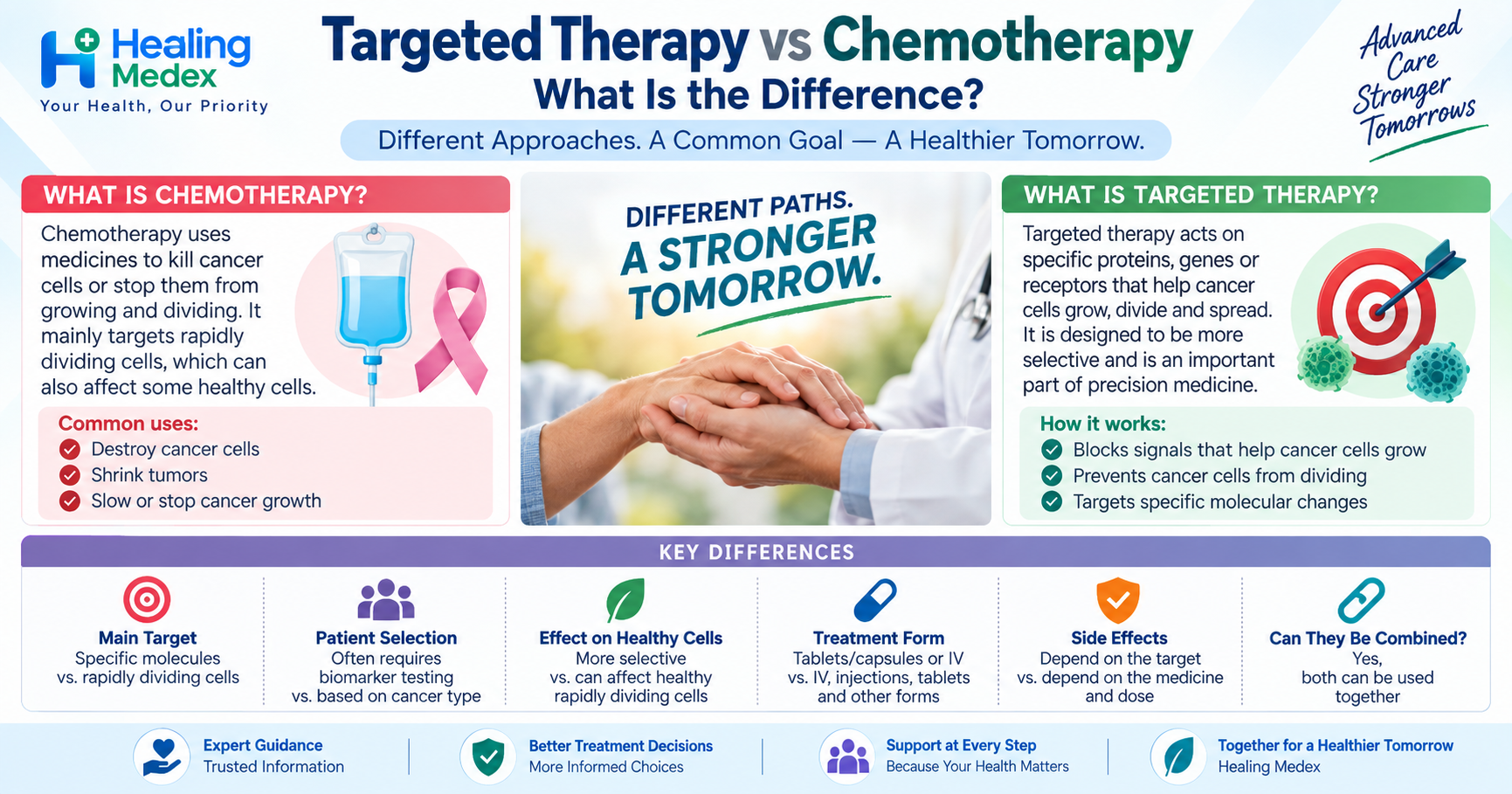
What Is Chemotherapy? Chemotherapy, commonly called chemo , uses medicines to kill cancer cells or stop them from growing and dividing. Cancer cells often grow and divide more rapidly than many normal cells. Chemotherapy takes advantage of this characteristic by attacking rapidly dividing cells. However, chemotherapy can also affect healthy cells that divide quickly, such as cells in the hair follicles, digestive system, and bone marrow. Chemotherapy may be used to: Destroy cancer cells Shrink tumors Slow or stop cancer growth Reduce the chance of cancer returning after treatment Make a tumor smaller before surgery or radiation Relieve symptoms caused by advanced cancer Depending on the cancer and medicine being used, chemotherapy may be given by an intravenous (IV) infusion, injection, tablets or capsules, or other routes. What Is Targeted Therapy? Targeted therapy is a type of cancer treatment designed to act on specific proteins, genes, receptors, or other biological features that help cancer cells grow, divide, and spread. Unlike traditional chemotherapy, which generally attacks rapidly dividing cells, targeted treatments are designed around particular molecular characteristics of a person’s cancer. This is why targeted therapy is considered an important part of precision medicine . Depending on the medicine, targeted therapy may: Block signals that tell cancer cells to grow Prevent cancer cells from dividing Trigger cancer cell death Block the formation of blood vessels that tumors need Deliver cancer-killing substances directly to particular cells Interfere with proteins or pathways cancer cells depend on Most targeted therapies are either small-molecule drugs or monoclonal antibodies . Targeted Therapy vs Chemotherapy: Key Differences FeatureTargeted TherapyChemotherapy Main target Specific molecules, proteins or changes involved in cancer growthMainly rapidly growing and dividing cells How it works Blocks specific pathways or features cancer cells depend onKills cancer cells or prevents them from dividing Patient selection Often requires biomarker or molecular testingUsually selected according to cancer type, stage and treatment plan Effect on healthy cells Designed to be more selectiveCan also damage rapidly dividing healthy cells Treatment form Tablets/capsules or IV medicines depending on the drugIV, injections, tablets/capsules and other forms Side effects Depend heavily on the target and medicineDepend on the chemotherapy medicines and doses Resistance Cancer can sometimes develop resistance to the targeted drugCancer can also become resistant to chemotherapy Can treatments be combined? YesYes The biggest difference is therefore what the treatment attacks . Chemotherapy mainly attacks cells that are rapidly dividing, while targeted therapy focuses on particular biological features that help certain cancer cells survive or grow. How Does Chemotherapy Kill Cancer Cells? Cells continuously go through a process known as the cell cycle , during which they grow and divide. Many chemotherapy medicines interfere with different parts of this process. Because cancer cells frequently divide rapidly and may be less capable of recovering from cellular damage, chemotherapy can destroy them or prevent them from continuing to multiply. Unfortunately, some healthy cells also divide quickly. These include cells responsible for: Hair growth Blood cell production The lining of the mouth The digestive tract Damage to these healthy cells explains many of the familiar side effects associated with chemotherapy. How Does Targeted Therapy Attack Cancer? Cancer develops because of changes that allow abnormal cells to grow and survive when they normally should not. Researchers have identified numerous genes, proteins, receptors and signaling pathways involved in this process. Targeted medicines are designed to interfere with specific abnormalities. For example, a targeted therapy might block a protein sending signals that encourage cancer cells to multiply. Another treatment could interfere with blood vessel formation, reducing the tumor’s ability to obtain nutrients. Some monoclonal antibodies can attach to specific targets on cancer cells, while small-molecule medicines can enter cells and interfere with targets inside them. Does Everyone With Cancer Qualify for Targeted Therapy? No. One of the most important differences between chemotherapy and targeted therapy is that targeted treatment usually requires the cancer to contain an appropriate biological target . Doctors may therefore recommend biomarker testing , sometimes called molecular, genomic or tumor testing. The test may look for: Gene mutations Abnormal proteins Receptors Gene rearrangements Other biomarkers associated with cancer growth If the appropriate target is present and a medicine has been developed against it, targeted therapy may be considered. However, two people with the same general type of cancer may have different molecular characteristics and therefore receive different treatments. Which Cancers Can Be Treated With Targeted Therapy? Targeted therapies are available for a growing number of cancers, although they are not appropriate for every cancer or every patient. They may be used in selected cases of cancers including: Breast cancer Lung cancer Colorectal cancer Leukemia Melanoma Liver cancer Ovarian cancer Prostate cancer Thyroid cancer Stomach cancer Gastrointestinal stromal tumors Whether targeted therapy is suitable depends on the cancer’s specific molecular characteristics, its stage, previous treatments, the patient’s overall condition, and other clinical factors. Side Effects of Chemotherapy Chemotherapy side effects vary considerably between medicines and between patients. Possible side effects can include: Fatigue Nausea and vomiting Hair loss Mouth sores Diarrhea or constipation Reduced appetite Low blood cell counts Increased risk of infection Easy bleeding or bruising Peripheral neuropathy Fertility problems Not every chemotherapy medicine causes all of these effects, and two people receiving similar treatment may experience very different symptoms. Modern supportive medicines and treatment strategies can also help prevent or manage many chemotherapy-related side effects. Side Effects of Targeted Therapy It is sometimes assumed that targeted therapy has no side effects because it is designed to target cancer more selectively. This is not correct. Targeted therapies can still cause significant and occasionally serious adverse effects. Depending on the specific medicine, possible effects include: Diarrhea Skin rash or dry skin Fatigue High blood pressure Liver problems Mouth sores Nail changes Problems with bleeding or blood clotting Changes in wound healing Side effects vary according to the treatment and its molecular target. Therefore, targeted therapy should not automatically be considered safer than chemotherapy. The risks and benefits of each treatment need to be evaluated individually. Is Targeted Therapy Better Than Chemotherapy? Neither treatment can simply be described as universally “better.” The most effective treatment depends on factors such as: Type of cancer Cancer stage Tumor location Whether cancer has spread Biomarker results Previous cancer treatments Overall health Treatment goals For a cancer driven by a specific target for which an effective medicine exists, targeted therapy may be particularly valuable. For other cancers, chemotherapy may remain the preferred treatment. In many situations, doctors use targeted therapy and chemotherapy together rather than choosing only one. Cancer treatment frequently involves combinations of systemic therapies, surgery, radiation therapy, or other approaches. Can Cancer Become Resistant to Targeted Therapy? Yes. One challenge with targeted therapy is drug resistance . Cancer cells can change over time. A molecular target may change so that a medicine can no longer bind to it effectively, or cancer cells may begin using another biological pathway to continue growing. For this reason, targeted therapy may sometimes stop working after an initial response. Doctors might then: Perform additional biomarker testing Change the targeted treatment Use another targeted medicine Add chemotherapy Consider another type of cancer treatment Resistance is one reason cancer treatment plans may change during the course of the disease. Can Targeted Therapy and Chemotherapy Be Used Together? Yes. Targeted therapy and chemotherapy are not necessarily competing treatment options. A cancer specialist may recommend: Targeted therapy alone when the tumor has an actionable molecular target and targeted treatment is appropriate. Chemotherapy alone when chemotherapy is expected to provide the greatest benefit. Targeted therapy plus chemotherapy when combining the treatments may improve cancer control. Other treatments, including surgery, radiation therapy, hormone therapy and immunotherapy, may also form part of the overall treatment plan. How Do Doctors Decide Which Treatment to Use? Cancer treatment is highly individualized. Before recommending treatment, an oncology team may consider: The exact cancer type Cancer stage and grade Whether the disease has spread Pathology results Biomarker or molecular test results Previous treatment Other medical conditions Expected treatment benefits Potential side effects The patient’s goals and preferences Patients should therefore avoid comparing their treatment plan directly with another person’s cancer treatment. Even cancers arising in the same organ can behave differently at a molecular level. Questions to Ask Your Oncologist If you are deciding between different cancer treatments, useful questions may include: What type and stage of cancer do I have? Has my tumor been tested for biomarkers? Does my cancer have a target that can be treated? Why are you recommending chemotherapy or targeted therapy? What is the goal of treatment? How will the treatment be given? How long might treatment continue? What side effects should I expect? How will we know whether the treatment is working? What happens if the cancer stops responding? Are other treatment options available? Having these discussions can make it easier to understand both the expected benefits and potential risks of treatment. Targeted Therapy vs Chemotherapy: The Bottom Line The main difference between targeted therapy and chemotherapy is how they attack cancer. Chemotherapy primarily works by killing or stopping rapidly dividing cells. Because some healthy cells also divide quickly, chemotherapy can affect both cancerous and healthy tissues. Targeted therapy acts on specific genes, proteins, receptors or pathways that certain cancers use to grow and survive. Biomarker testing is therefore often needed to determine whether a targeted medicine is appropriate. Neither treatment is automatically better for every patient. Depending on the cancer, doctors may recommend chemotherapy, targeted therapy, both treatments together, or another treatment approach entirely. Cancer treatment should always be selected by an oncologist based on the patient’s individual diagnosis, tumor characteristics and overall health. Frequently Asked Questions 1. Is targeted therapy the same as chemotherapy? No. Both are cancer treatments, but they work differently. Chemotherapy generally attacks rapidly dividing cells, while targeted therapy acts on specific molecular features or pathways involved in cancer growth. 2. Does targeted therapy cause hair loss? Some targeted treatments can affect the hair, but hair loss is not inevitable. Side effects depend on the particular medicine and target. 3. Does targeted therapy have fewer side effects than chemotherapy? Not necessarily. Targeted therapies are more selective, but they can still cause significant side effects. The type and severity of side effects differ between individual medicines. 4. How do doctors know whether targeted therapy will work? Biomarker testing is often performed to determine whether cancer cells contain a molecular feature that a targeted medicine can attack. 5. Can targeted therapy cure cancer? The treatment goal varies according to the cancer type, stage and response. In some situations treatment may be given with curative intent; in others it is used to shrink, control or slow cancer and relieve symptoms. 6. Can chemotherapy and targeted therapy be taken together? Yes. Some cancer treatment plans combine targeted therapy with chemotherapy when doing so is considered appropriate. 7. Which treatment is better for advanced cancer? There is no single answer. Treatment depends on the type of cancer, molecular characteristics, previous treatments, overall health and other factors. An oncologist can determine the most appropriate approach.
 Dr. Marcus Vance, PharmD
Erectile Dysfunction
Tadalafil 5 mg Daily Use: What Men Should Know Before Taking It
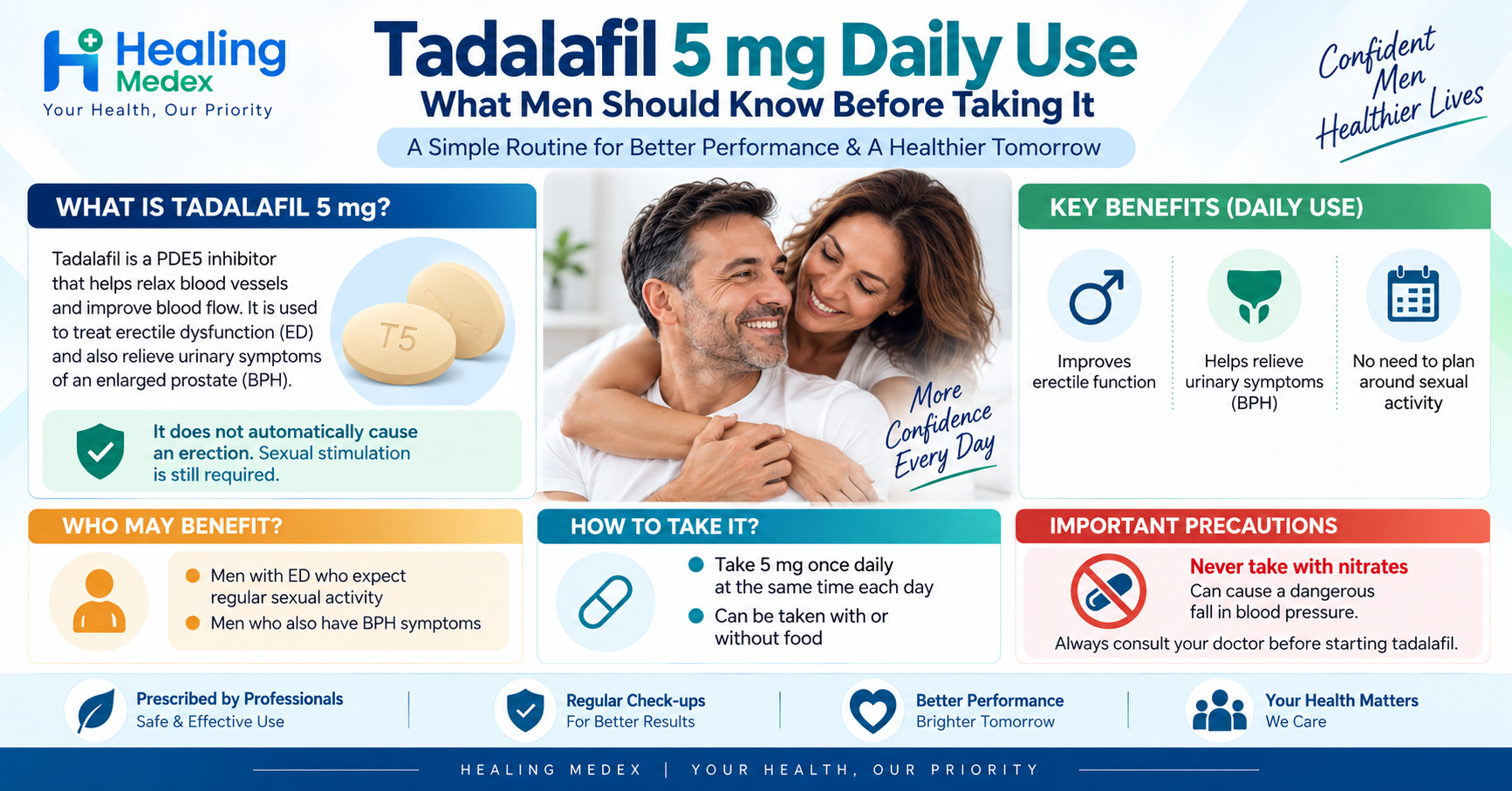
What Is Tadalafil 5 mg? Tadalafil belongs to a class of medicines called phosphodiesterase type 5 (PDE5) inhibitors . It works by helping relax blood vessels and improving blood flow to certain areas of the body. In men with erectile dysfunction, tadalafil helps increase blood flow to the penis during sexual stimulation, making it easier to achieve and maintain an erection. Tadalafil does not automatically cause an erection . Sexual stimulation is still required for it to work. Tadalafil is also used to relieve urinary symptoms associated with an enlarged prostate, including difficulty starting urination, weak urine flow, and frequent or urgent urination. Why Is Tadalafil 5 mg Taken Every Day? Daily tadalafil is designed to maintain a relatively consistent amount of medicine in the body. For men being treated for both erectile dysfunction and benign prostatic hyperplasia, 5 mg once daily is an established dosing regimen. For ED alone, daily treatment may start at a lower dose and be adjusted by a healthcare professional based on effectiveness and tolerability. One advantage of daily treatment is that sexual activity does not have to be planned around taking a tablet immediately beforehand. However, daily tadalafil is not necessarily the best option for every man. A healthcare professional should determine whether daily or as-needed treatment is more appropriate. Who May Benefit From Tadalafil 5 mg Daily? A healthcare provider may consider daily tadalafil for men who: Have erectile dysfunction and expect sexual activity relatively frequently. Prefer not to plan medication around sexual activity. Have both erectile dysfunction and symptoms of benign prostatic hyperplasia. Have responded to tadalafil previously and can tolerate the medicine. Are considered medically suitable for PDE5 inhibitor treatment. Treatment should always be individualized according to medical history, other medicines being taken, and the underlying cause of erectile dysfunction. How Should Tadalafil 5 mg Daily Be Taken? When tadalafil is prescribed for once-daily use, it is generally taken once a day at approximately the same time each day . It can be taken with or without food . Men taking daily tadalafil should remember: Take it exactly as prescribed. Do not take more than one prescribed dose in a day. Try to take the tablet at approximately the same time each day. Do not take additional tadalafil before sexual activity unless specifically instructed by your doctor. Do not combine tadalafil with sildenafil, vardenafil, avanafil, or another ED medicine unless a healthcare professional has specifically instructed you to do so. Taking more tadalafil does not necessarily improve erections and can increase the risk of adverse effects. How Long Does Tadalafil Take to Work? Tadalafil is known for having a longer duration of action than several other PDE5 inhibitors. When tadalafil is used as an as-needed treatment, its effects may help erectile function for up to 36 hours in some men. Daily tadalafil works differently. Regular dosing maintains ongoing exposure to the medicine, so men do not generally need to coordinate each dose with the timing of sexual activity. Individual responses vary, and some men may require several days of regular dosing before they can properly assess how well daily treatment works for them. What Should You Tell Your Doctor Before Taking Tadalafil? Before starting tadalafil 5 mg daily, tell your healthcare provider about all medical conditions and medicines you use. This is particularly important if you have: Heart disease. A previous heart attack or stroke. Low blood pressure. Uncontrolled high blood pressure. Kidney disease. Liver disease. Certain blood disorders, including sickle cell disease, multiple myeloma, or leukemia. A physical abnormality or significant curvature of the penis. A history of prolonged or painful erections. Previous serious vision problems. Previous sudden hearing problems. A healthcare professional may need to adjust treatment or recommend another option depending on your condition. Never Take Tadalafil With Nitrates One of the most important tadalafil safety precautions concerns nitrate medicines . Tadalafil should not be taken together with nitrates used to treat chest pain or angina because the combination may cause a dangerous fall in blood pressure . Examples include medicines containing: Nitroglycerin. Isosorbide mononitrate. Isosorbide dinitrate. Recreational drugs sometimes known as “poppers” , which may contain amyl nitrate or related substances, should also be avoided. Official tadalafil prescribing information lists concurrent nitrate use as a contraindication. If you develop chest pain after taking tadalafil, seek urgent medical attention and tell healthcare professionals when you last took tadalafil. Do not take nitrate medication unless emergency medical professionals determine it is safe. Tadalafil and Riociguat Tadalafil should also not be combined with guanylate cyclase stimulators such as riociguat , because combining the medicines can cause excessive lowering of blood pressure. Always give your doctor or pharmacist a complete list of medicines you are taking. Tadalafil and Alpha-Blockers Some men with prostate problems or high blood pressure take medicines known as alpha-blockers . Both tadalafil and alpha-blockers can lower blood pressure. Taking them together may therefore cause dizziness, fainting, or symptomatic low blood pressure in some people. If you already take an alpha-blocker, your healthcare provider should determine whether tadalafil is suitable and how treatment should be started. Other Medicines That Can Interact With Tadalafil Tell your healthcare provider about prescription medicines, over-the-counter medicines, vitamins, herbal products, and supplements you take. Potential interactions may occur with certain: Blood-pressure medicines. Alpha-blockers. Antifungal medicines. Antibiotics. HIV medicines. Seizure medicines. Other erectile dysfunction medicines. Some medicines can increase or decrease tadalafil levels in the body and may require a change in dose or treatment. For example, official prescribing information states that people taking certain strong CYP3A4 inhibitors , such as ketoconazole or ritonavir, may require a lower maximum daily tadalafil dose. Can You Drink Alcohol While Taking Tadalafil? Alcohol and tadalafil can both lower blood pressure. Drinking excessive amounts of alcohol while using tadalafil may increase the likelihood of: Dizziness. Headache. Increased heart rate. Light-headedness. Low blood pressure. Heavy alcohol use may also make achieving an erection more difficult. Men taking tadalafil should discuss alcohol consumption with their healthcare provider, particularly if they have cardiovascular conditions or take blood-pressure medicines. Common Side Effects of Tadalafil 5 mg Like all medicines, tadalafil can cause side effects. Commonly reported effects may include: Headache. Flushing. Indigestion or upset stomach. Stuffy or congested nose. Back pain. Muscle aches. Many side effects are temporary, but persistent or troublesome symptoms should be discussed with a healthcare professional. Serious Side Effects That Require Medical Attention Although uncommon, certain tadalafil side effects can be serious. Prolonged Erection Seek urgent medical attention if you develop an erection lasting 4 hours or longer . A prolonged erection, known as priapism, can damage penile tissue if treatment is delayed. Sudden Vision Changes Stop using tadalafil and obtain urgent medical attention if you suddenly lose vision or experience a major change in eyesight. Sudden Hearing Loss Sudden hearing reduction or hearing loss, particularly if accompanied by dizziness or ringing in the ears, requires prompt medical evaluation. Chest Pain or Severe Cardiovascular Symptoms Seek emergency medical attention for chest pain, severe dizziness, fainting, or other concerning cardiovascular symptoms. Always tell emergency healthcare professionals that you take tadalafil and when your most recent dose was taken. What Happens If You Miss a Daily Dose? If you forget a dose of daily tadalafil, take it when you remember unless it is almost time for the next scheduled dose. If the next dose is approaching, skip the missed dose and continue your normal schedule. Do not take two doses together to make up for a missed tablet. Can Men With Kidney or Liver Problems Take Tadalafil? Kidney and liver function can affect how tadalafil is processed by the body. Men with kidney disease may require a lower dose or may not be suitable candidates for once-daily tadalafil depending on the severity of impairment. Daily tadalafil also requires additional caution in people with liver impairment, and use may not be recommended in severe liver disease. Never adjust the dose yourself. A doctor should determine whether tadalafil is appropriate. Tadalafil 5 mg Daily vs Tadalafil Taken When Needed Both approaches can be effective, but they are used differently. Daily tadalafil Taken once every day. Usually uses a lower dose. Does not require dosing immediately before each sexual encounter. May be especially useful when both ED and BPH symptoms are present. As-needed tadalafil Taken before anticipated sexual activity. Typically uses a different prescribed dose. May provide erectile-function benefit for up to 36 hours. May suit men who have sexual activity less frequently. Neither approach is automatically better. The appropriate treatment depends on frequency of sexual activity, effectiveness, side effects, other medical conditions, and personal preference. Does Tadalafil Increase Sexual Desire? No. Tadalafil does not directly increase testosterone or sexual desire. Its primary role in erectile dysfunction is to improve the physiological erectile response by increasing blood flow to the penis during sexual stimulation. If low sexual desire is the main problem, a healthcare professional may investigate other possible causes. Does Tadalafil Cure Erectile Dysfunction? Tadalafil helps manage erectile dysfunction but does not necessarily cure its underlying cause. ED can sometimes be associated with: Diabetes. High blood pressure. Cardiovascular disease. Obesity. Smoking. Hormonal problems. Medication side effects. Psychological factors such as stress or anxiety. Because erection problems may occasionally be an early sign of another health condition, medical evaluation can be important rather than simply treating the symptom. The NHS recommends medical assessment because ED can sometimes be associated with conditions such as diabetes or heart disease. Frequently Asked Questions Can I take tadalafil 5 mg every day? Tadalafil can be prescribed for once-daily use in appropriate patients. Whether 5 mg daily is suitable depends on the condition being treated, other medicines, kidney and liver function, cardiovascular health, and how you respond to treatment. What is the best time to take tadalafil 5 mg? For daily treatment, tadalafil should generally be taken at approximately the same time each day . It does not need to be timed specifically around sexual activity. Can tadalafil 5 mg be taken with food? Yes. Tadalafil may generally be taken with or without food . Can I take two tadalafil 5 mg tablets if one does not work? Do not increase your dose or take additional tablets without medical advice. Higher doses may increase the risk of side effects and dangerous interactions. Can I use sildenafil together with daily tadalafil? Do not combine tadalafil with sildenafil or other PDE5 inhibitors unless specifically instructed by a qualified healthcare professional. Combining ED medicines can increase the likelihood of adverse effects, including excessive lowering of blood pressure. How quickly does daily tadalafil improve ED? Individual response varies. Some men notice improvement relatively quickly, while others may need several days of consistent treatment before assessing the full benefit. Follow the treatment duration recommended by your healthcare provider. Final Thoughts Tadalafil 5 mg daily can be a convenient treatment option for certain men with erectile dysfunction, particularly those who prefer greater spontaneity or who also have urinary symptoms related to an enlarged prostate. However, tadalafil is not suitable for everyone. Before starting treatment, men should discuss their heart health, kidney and liver function, current medicines, and other medical conditions with a healthcare professional. Most importantly, tadalafil must not be combined with nitrate medicines , and urgent medical attention is required for symptoms such as a prolonged erection, sudden vision or hearing changes, or serious cardiovascular symptoms. Using tadalafil under appropriate medical supervision can help maximize its benefits while reducing avoidable risks.
Dr. Marcus Vance, PharmD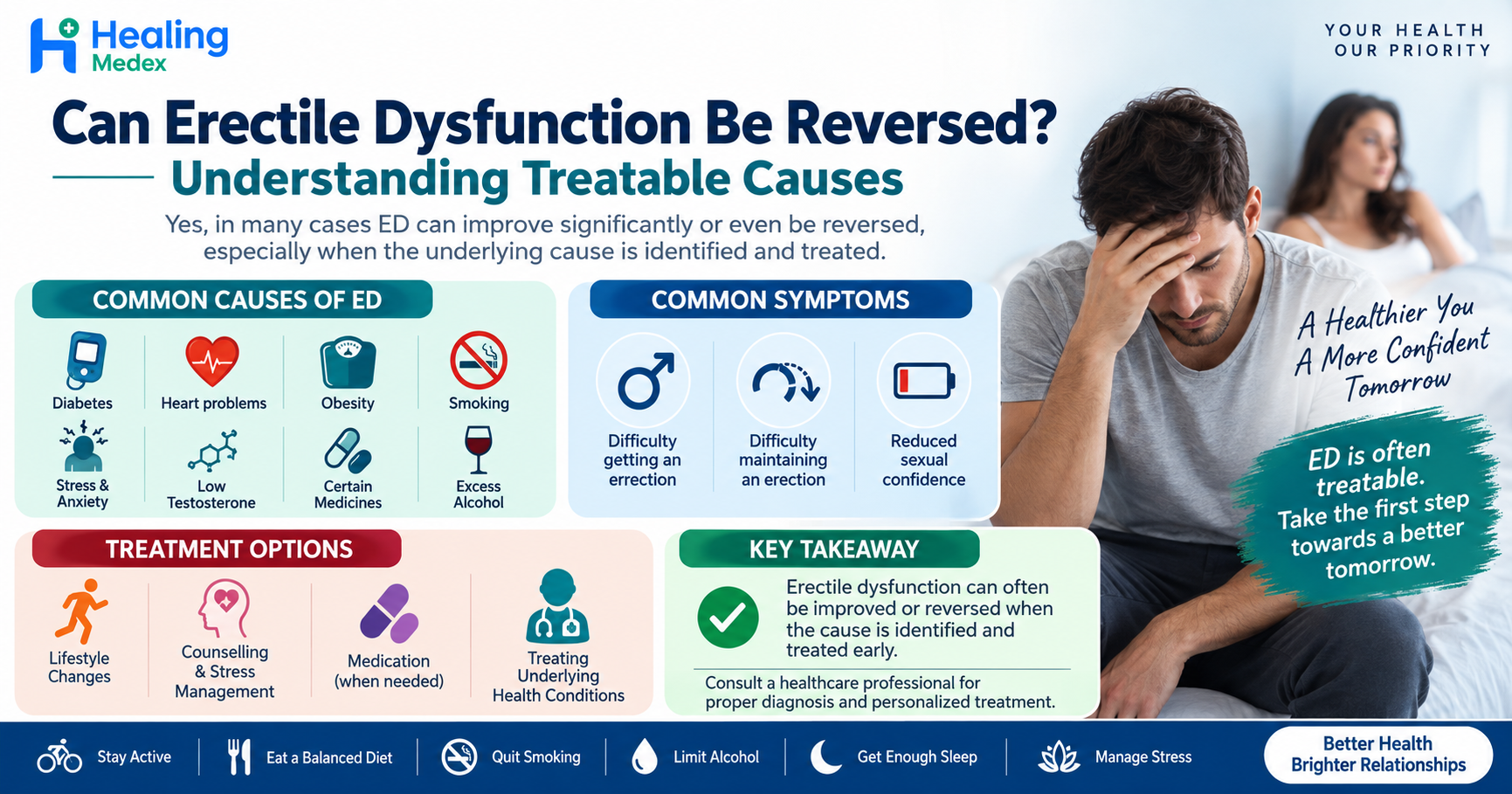
Erectile Dysfunction
Erectile Dysfunction: Can Erectile Dysfunction Be Reversed?Understanding Treatable Causes
Can Erectile Dysfunction Be Reversed? Understanding Treatable Causes Erectile dysfunction (ED) is a common sexual health condition in which a man has difficulty getting or maintaining an erection firm enough for sexual activity. For some men, ED occurs occasionally because of stress, fatigue, or alcohol. For others, it becomes a recurring problem linked to physical health, emotional wellbeing, medications, or lifestyle factors. One of the most common questions men ask is: Can erectile dysfunction be reversed? The answer is yes, in some cases erectile dysfunction can improve significantly or even resolve , particularly when an underlying and treatable cause is identified. In other situations, ED may require ongoing management with lifestyle changes, medical treatment, counselling, or medicines such as sildenafil . Understanding what is causing ED is therefore one of the most important steps toward finding an appropriate treatment. What Causes Erectile Dysfunction? An erection depends on several systems working together, including the brain, hormones, nerves, blood vessels, and muscles. A problem affecting any of these systems can contribute to erectile dysfunction. Common causes and risk factors include: diabetes high blood pressure high cholesterol cardiovascular disease obesity hormonal problems such as low testosterone certain prescription medicines smoking excessive alcohol consumption lack of physical activity stress anxiety depression relationship difficulties nerve damage pelvic surgery or injury Sometimes more than one factor is involved. Because ED can occasionally be associated with another health condition, persistent erection problems should not simply be ignored. Can Erectile Dysfunction Really Be Reversed? Whether ED can be reversed depends largely on its underlying cause. For example, a man whose ED is strongly associated with smoking, inactivity, excess weight, stress, or certain medicines may experience significant improvement when those factors are addressed. On the other hand, ED caused by permanent nerve injury or certain structural problems may be harder to reverse completely. In these situations, treatment can still help many men achieve satisfactory erections. The key distinction is between treating the underlying cause and treating the erection problem itself . 1. Lifestyle-Related Erectile Dysfunction Lifestyle factors can have a significant effect on circulation and sexual function. Smoking, excessive alcohol consumption, inactivity, and obesity can contribute to conditions affecting blood vessels and therefore potentially interfere with blood flow to the penis. Healthy lifestyle changes may help improve erectile function. These may include: stopping smoking maintaining a healthy body weight exercising regularly following a balanced diet reducing excessive alcohol consumption improving sleep managing stress These changes also support cardiovascular and metabolic health, which are closely connected with erectile function. 2. Stress and Performance Anxiety Not every case of ED begins with a physical condition. Stress, anxiety, depression, relationship difficulties, and sexual performance anxiety can all affect the ability to achieve or maintain an erection. A common pattern occurs when one unsuccessful sexual experience creates anxiety about the next encounter. That anxiety can then make another erection problem more likely. When psychological factors play an important role, counselling, psychological therapy, stress management, or sex therapy may help. Treating both physical and psychological contributors may provide better results than focusing on either one alone. 3. Medication-Related Erectile Dysfunction Some medicines may contribute to erectile dysfunction as a side effect. Examples can include certain medicines used for: high blood pressure depression anxiety allergies pain hormonal conditions However, never stop or change a prescribed medicine on your own because you suspect it is causing ED . A healthcare professional can review your medication list and determine whether changing the dose or using an alternative treatment may be appropriate. When medication is an important contributor, erectile function may improve after the treatment plan is appropriately adjusted. 4. Diabetes and Erectile Dysfunction Diabetes is an important medical risk factor for ED. Over time, high blood glucose can damage blood vessels and nerves involved in sexual function. This can make it more difficult to achieve or maintain an erection. Managing diabetes appropriately may help reduce further blood vessel and nerve damage and can form an important part of ED management. A healthcare professional may recommend a combination of: improved blood glucose management blood pressure management cholesterol management exercise weight management smoking cessation ED medication when appropriate Men experiencing both diabetes and ED should discuss the problem with their healthcare provider rather than treating ED in isolation. 5. High Blood Pressure and High Cholesterol Healthy erections require adequate blood flow. Conditions that damage or narrow blood vessels, including hypertension, high cholesterol, and atherosclerosis, can therefore contribute to ED. Improving cardiovascular health may also improve erectile health in some men. Because persistent ED can sometimes occur alongside cardiovascular risk factors, a medical evaluation can be particularly important when erection problems develop repeatedly. 6. Hormonal Causes of Erectile Dysfunction Hormonal conditions may also contribute to sexual problems. Low testosterone can be associated with symptoms such as reduced sexual desire, fatigue, and changes in sexual function, although ED does not automatically mean that testosterone levels are low. Thyroid disorders and other hormonal abnormalities can also affect sexual health. If symptoms suggest a hormonal problem, a healthcare professional may recommend appropriate blood tests. When a genuine hormonal disorder is diagnosed and appropriately treated, sexual function may improve. Where Does Sildenafil Fit Into Erectile Dysfunction Treatment? Sildenafil is one of the most widely used medicines for erectile dysfunction. It belongs to a group of medicines called PDE5 inhibitors . Sildenafil helps increase blood flow to the penis during sexual stimulation, making it easier for some men with ED to achieve and maintain an erection. Other PDE5 inhibitors include tadalafil, vardenafil, and avanafil. Does Sildenafil Cure Erectile Dysfunction? Not usually. Sildenafil primarily helps manage the symptom of erectile dysfunction while the medicine is active. It does not automatically correct conditions such as diabetes, cardiovascular disease, anxiety, obesity, or hormonal problems that may be causing ED. For example, if a person’s ED is associated with high blood pressure and smoking, sildenafil may help improve erections, but managing blood pressure and stopping smoking remain important parts of addressing the underlying problem. For this reason, the most effective ED management plan may combine medical treatment with treatment of the underlying cause. Is Sildenafil Suitable for Everyone? No. Sildenafil is not appropriate for every person and can interact with certain medicines. In particular, sildenafil and other PDE5 inhibitors should not be combined with nitrate medicines used for conditions such as angina , because the combination can cause a potentially dangerous fall in blood pressure. Men with cardiovascular conditions or those taking other medicines should tell their doctor or pharmacist before using sildenafil. Sildenafil should be used according to advice from an appropriately qualified healthcare professional and the instructions supplied with the medicine. When Erectile Dysfunction May Be Harder to Reverse Some causes of ED may not be completely reversible. Examples can include certain cases involving: significant nerve damage spinal cord injury complications following prostate or pelvic surgery advanced vascular disease significant penile structural abnormalities long-term complications of chronic diseases However, irreversible does not necessarily mean untreatable. Depending on the individual situation, doctors may consider treatments such as: PDE5 inhibitors including sildenafil vacuum erection devices injectable medicines psychological or sexual therapy treatment of hormonal abnormalities penile implants in selected cases A urologist can help determine which treatment is most appropriate when first-line options have not worked. How Can You Improve Erectile Function Naturally? Healthy lifestyle measures can form an important part of ED management. Consider focusing on: Exercise Regularly Regular physical activity supports cardiovascular health, circulation, weight management, and overall wellbeing. Stop Smoking Smoking damages blood vessels and can interfere with circulation. Quitting smoking benefits both cardiovascular and sexual health. Maintain a Healthy Weight Obesity is associated with conditions such as diabetes, high blood pressure, and cardiovascular disease, which can also contribute to ED. Eat a Heart-Healthy Diet A balanced diet rich in vegetables, fruits, whole grains, legumes, nuts, seeds, and other nutrient-rich foods can support cardiovascular health. Limit Excessive Alcohol Heavy alcohol consumption can interfere with erectile function and sexual performance. Manage Stress Chronic stress and anxiety can interfere with sexual arousal. Exercise, relaxation techniques, counselling, and better sleep habits may help. How Long Does It Take for Erectile Dysfunction to Improve? There is no single timeline. Improvement depends on: the cause of ED how long the condition has been present overall health age cardiovascular health diabetes control lifestyle factors psychological wellbeing medicines being taken response to treatment Some men with primarily psychological or lifestyle-related ED may notice improvement relatively quickly after addressing the contributing factors. ED associated with chronic medical conditions may require longer-term treatment and management. When Should You See a Doctor About Erectile Dysfunction? An occasional difficulty getting an erection is common and does not necessarily mean you have ED. However, you should consider speaking with a healthcare professional when erection difficulties happen repeatedly. Seek medical advice particularly if ED occurs alongside: diabetes high blood pressure high cholesterol heart disease reduced sexual desire penile pain or curvature symptoms suggesting hormonal problems significant anxiety or depression A medical assessment may involve questions about your health, medicines, sexual function, lifestyle, and emotional wellbeing. Depending on your situation, blood tests or other examinations may also be recommended. Can Younger Men Reverse Erectile Dysfunction? ED can occur at almost any adult age. In younger men, psychological factors such as stress, anxiety, depression, relationship problems, and performance anxiety can sometimes play an important role. However, physical causes should not automatically be ruled out. Smoking, obesity, diabetes, medications, hormonal conditions, and cardiovascular risk factors can also affect younger adults. Identifying the cause rather than assuming ED is purely psychological is therefore important. Frequently Asked Questions About Reversing Erectile Dysfunction 1. Can ED go away naturally? Sometimes. Temporary ED associated with stress, fatigue, excessive alcohol consumption, or short-term psychological factors may improve when the trigger disappears. Persistent ED should be medically evaluated. 2. Can exercise reverse erectile dysfunction? Regular exercise may improve erectile function for some men, particularly when cardiovascular health, obesity, or inactivity contributes to ED. Exercise should be considered part of an overall healthy lifestyle rather than a guaranteed cure. 3. Can losing weight improve ED? Weight management may improve overall metabolic and cardiovascular health and can potentially improve erectile function when obesity-related factors contribute to ED. 4. Can stopping smoking help erectile dysfunction? Smoking affects blood vessels and circulation. Stopping smoking can improve cardiovascular health and may help erectile function, particularly when vascular problems contribute to ED. 5. Can anxiety-related ED be reversed? ED strongly associated with anxiety or performance anxiety may improve when the psychological trigger is addressed. Counselling or therapy can be useful for some individuals. 6. Does sildenafil permanently fix ED? No. Sildenafil can help men achieve and maintain erections during sexual stimulation, but it generally does not permanently eliminate the underlying cause of ED. 7. Can sildenafil be taken every day? How sildenafil should be used depends on an individual’s medical circumstances and the specific product prescribed. Follow your doctor’s or pharmacist’s instructions rather than changing the frequency or dose yourself. 8. What is the best treatment for erectile dysfunction? There is no single best treatment for everyone. Treatment should be based on the underlying cause, general health, medicines being taken, personal preferences, and response to previous treatments. Final Thoughts: Is Erectile Dysfunction Reversible? Erectile dysfunction can sometimes be reversed, particularly when modifiable causes such as lifestyle factors, psychological stress, medication effects, cardiovascular risk factors, or certain hormonal problems are successfully addressed. Other forms of ED may require ongoing treatment rather than being completely reversed. Medicines such as sildenafil can be effective treatment options for suitable patients , but they should be considered part of a broader approach that also looks for the underlying reason ED has developed. If erectile dysfunction keeps happening, a healthcare professional can help identify possible causes and recommend an appropriate treatment strategy. About Healing Medex Healing Medex provides educational information about men’s health, erectile dysfunction, sexual wellness, and commonly used treatments to help readers better understand their healthcare options. Always consult a qualified healthcare professional before starting, stopping, or changing prescription medicines.
Dr. Marcus Vance, PharmD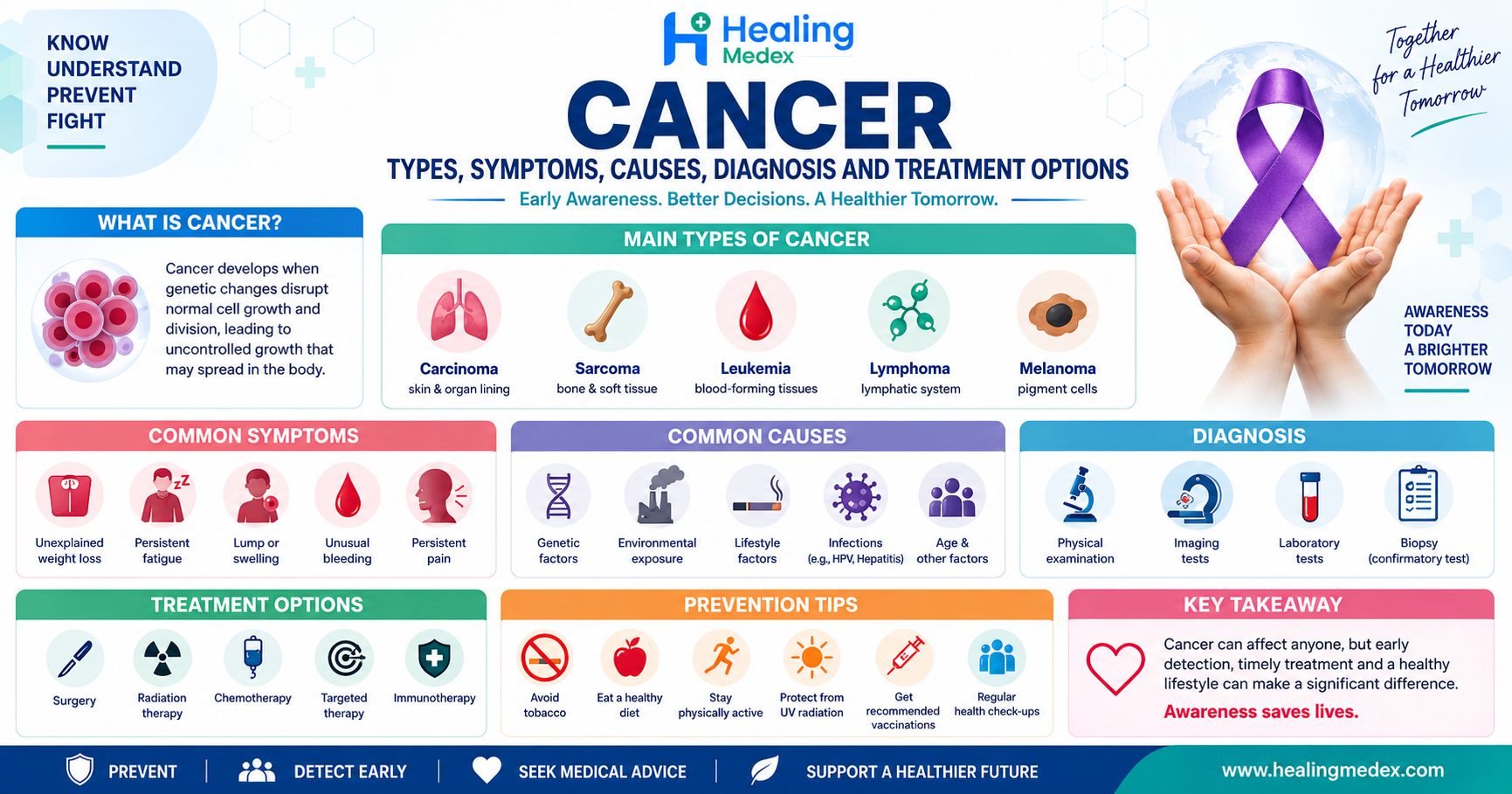
Anticancer
Cancer: Types, Symptoms, Causes, Diagnosis and Treatment Options
What Is Cancer? The human body is made up of trillions of cells. Normally, cells grow, divide and die in a controlled manner. Cancer develops when genetic changes disrupt this normal process. Abnormal cells may continue to grow and divide when they should not. These cells can sometimes form a mass known as a tumor . Not every tumor is cancerous. Tumors are generally classified as: Benign tumors: Do not invade nearby tissues or spread to distant organs. Malignant tumors: Can invade surrounding tissues and may spread to other areas of the body. Some cancers, including leukemia, primarily affect blood-forming tissues and may not form a solid tumor. What Are the Main Types of Cancer? There are more than 100 types of cancer. They are commonly named according to the organ, tissue or type of cell in which they begin. 1. Carcinoma Carcinomas develop from epithelial cells, which cover the internal and external surfaces of the body. They include many common cancers such as: breast cancer lung cancer colorectal cancer prostate cancer kidney cancer certain skin cancers 2. Sarcoma Sarcomas develop in connective and supporting tissues, including: bone cartilage muscle fat blood vessels fibrous tissue Examples include osteosarcoma and soft-tissue sarcoma. 3. Leukemia Leukemia is a cancer of blood-forming tissues, particularly the bone marrow. Abnormal blood cells multiply and interfere with the production and function of healthy blood cells. Major forms include: acute lymphoblastic leukemia (ALL) acute myeloid leukemia (AML) chronic lymphocytic leukemia (CLL) chronic myeloid leukemia (CML) 4. Lymphoma Lymphoma develops in cells of the lymphatic and immune systems. The two major categories are: Hodgkin lymphoma non-Hodgkin lymphoma 5. Multiple Myeloma Multiple myeloma develops from plasma cells, a type of immune cell found primarily in bone marrow. Abnormal plasma cells can accumulate in the bone marrow and affect the bones, kidneys and normal blood-cell production. 6. Melanoma Melanoma develops from melanocytes, the cells responsible for producing the pigment melanin. It most commonly develops in the skin but can occasionally occur in other areas containing melanocytes. 7. Brain and Central Nervous System Tumors Tumors may develop in the brain, spinal cord or related tissues. Different brain tumors behave differently, and some may be benign while others are malignant. Common Types of Cancer Some frequently diagnosed cancers worldwide include: lung cancer breast cancer colorectal cancer prostate cancer stomach cancer liver cancer cervical cancer thyroid cancer pancreatic cancer kidney cancer bladder cancer skin cancer leukemia lymphoma According to the World Health Organization, lung, breast, colorectal and prostate cancers are among the most commonly diagnosed cancers globally. What Are the Symptoms of Cancer? Cancer does not have one single set of symptoms. Symptoms depend on factors such as: the type of cancer its location the size of the tumor whether it has spread which organs or tissues are affected Cancer may also produce few or no noticeable symptoms during its early stages. Possible Warning Signs of Cancer Symptoms that should be medically evaluated when persistent or unexplained can include: unexplained weight loss or weight gain persistent or extreme fatigue a new lump or swelling persistent or worsening pain unusual bleeding or bruising blood in the urine or stool persistent cough persistent hoarseness difficulty swallowing changes in bowel habits changes in urination loss of appetite persistent fever or night sweats a sore that does not heal new or changing skin lesions or moles unexplained breast changes persistent headaches unexplained neurological changes These symptoms do not necessarily mean that a person has cancer . Infections, inflammatory diseases and many other non-cancerous conditions can cause similar symptoms. Persistent, unexplained or worsening changes should nevertheless be evaluated by a healthcare professional. What Causes Cancer? Cancer usually develops because of changes or mutations in genes that regulate how cells grow, divide and repair themselves. These genetic changes may develop because of inherited factors, environmental exposure, lifestyle factors, infections or simply changes that accumulate as cells divide over time. The World Health Organization groups important cancer-causing exposures into physical, chemical and biological carcinogens. Major Cancer Risk Factors Having a risk factor does not mean that someone will definitely develop cancer. Likewise, people without obvious risk factors can still develop cancer. Important cancer risk factors include: Tobacco Use Smoking and other forms of tobacco exposure are major preventable causes of cancer. Tobacco is associated with cancers including those affecting the: lungs mouth throat larynx esophagus pancreas bladder kidney Avoiding tobacco is one of the most important steps a person can take to reduce cancer risk. Alcohol Consumption Alcohol consumption increases the risk of several cancers, and risk generally increases with the amount consumed. Excess Body Weight Being overweight or obese is associated with an increased risk of several types of cancer. Physical Inactivity Regular physical activity can contribute to maintaining a healthy body weight and may help reduce the risk of certain cancers. Diet Dietary patterns can influence overall cancer risk. A balanced diet containing fruits, vegetables, whole grains and other nutrient-rich foods is generally recommended as part of a healthy lifestyle. Ultraviolet Radiation Excessive exposure to ultraviolet radiation from sunlight or tanning devices can increase the risk of skin cancers. Ionizing Radiation High or repeated exposure to ionizing radiation can increase cancer risk. Certain Infections Some infections can increase the risk of particular cancers. Examples include: human papillomavirus (HPV) hepatitis B virus hepatitis C virus Helicobacter pylori Epstein-Barr virus Vaccination against HPV and hepatitis B can help prevent infections associated with certain cancers in people for whom these vaccines are recommended. Environmental and Occupational Exposure Certain substances encountered in the environment or workplace can increase cancer risk. Examples include some forms of: asbestos arsenic tobacco smoke industrial chemicals air pollution Age Cancer risk generally increases with age because genetic changes and exposure to risk factors accumulate over time. Family History and Inherited Genetic Changes Some people inherit genetic variants that substantially increase their risk of certain cancers. However, inheriting a cancer-predisposition gene does not necessarily mean cancer will develop. How Is Cancer Diagnosed? There is no single test that can diagnose every type of cancer. The diagnostic process depends on a person’s symptoms, medical history, examination findings and the suspected type of cancer. Doctors may use several different approaches. 1. Medical History and Physical Examination A healthcare professional may ask about: symptoms when symptoms began personal medical history family history of cancer lifestyle factors occupational or environmental exposure A physical examination may be performed to identify lumps, swelling, skin abnormalities or other possible signs. 2. Laboratory Tests Blood, urine or other laboratory tests may provide information about a person’s overall health or detect abnormalities associated with certain cancers. However, abnormal laboratory results alone do not usually confirm cancer. 3. Imaging Tests Imaging can help doctors identify suspicious growths and determine whether cancer may have spread. Tests may include: X-ray ultrasound CT scan MRI PET scan bone scan mammography The test used depends on the suspected cancer. 4. Endoscopy Doctors may use a flexible instrument with a camera to examine areas inside the body. Examples include: colonoscopy bronchoscopy gastroscopy cystoscopy 5. Biopsy A biopsy involves removing cells or tissue so they can be examined by a pathologist. For many cancers, biopsy is an important step in establishing a definitive diagnosis. Biopsies may be performed using a: needle endoscopic procedure minor surgical procedure surgical operation 6. Molecular and Biomarker Testing Some cancers are tested for specific genes, proteins or other biomarkers. These tests can sometimes help doctors determine which targeted treatment or immunotherapy is most likely to benefit a particular patient. What Is Cancer Staging? Once cancer has been diagnosed, additional tests may be performed to determine its stage . Cancer staging helps describe factors such as: where the cancer originated tumor size whether nearby lymph nodes are involved whether cancer has spread to distant organs Many cancers are described using stages ranging from Stage I to Stage IV , although staging systems vary according to cancer type. Generally, a higher stage indicates more extensive disease. Cancer stage is important because it helps doctors select treatment and estimate prognosis. What Are the Treatment Options for Cancer? Cancer treatment is highly individualized. Treatment depends on factors such as: type of cancer cancer stage tumor characteristics biomarker results patient’s age overall health previous treatments patient’s preferences Some people require a single therapy, while others receive a combination of treatments. 1. Surgery Surgery removes cancerous tissue from the body. It is commonly used for localized solid tumors and may sometimes be combined with chemotherapy or radiation therapy. 2. Chemotherapy Chemotherapy uses medicines that kill cancer cells or interfere with their ability to grow and divide. Chemotherapy may be given: before surgery after surgery together with radiation therapy as the primary treatment for certain cancers to control advanced disease Because chemotherapy can also affect healthy rapidly dividing cells, side effects may occur. 3. Radiation Therapy Radiation therapy uses high-energy radiation to damage cancer cells and reduce their ability to reproduce. It may be used to: destroy cancer cells shrink tumors before surgery eliminate remaining cancer cells after surgery relieve symptoms caused by advanced cancer 4. Targeted Therapy Targeted therapies are designed to act on specific molecular changes that help cancer cells grow, survive or spread. Different targeted therapies work against different cancer-related pathways, which is why biomarker testing may be needed before treatment. 5. Immunotherapy Immunotherapy helps the body’s immune system recognize and fight cancer. Different forms of immunotherapy work in different ways and are currently used for selected cancer types. 6. Hormone Therapy Some cancers depend on hormones to grow. Hormone therapy can block hormone production or interfere with hormone activity. It is commonly used for certain: breast cancers prostate cancers 7. Stem Cell Transplantation Blood-forming stem cell transplantation may be used in selected patients with cancers such as leukemia, lymphoma or multiple myeloma. It can restore blood-forming cells after intensive chemotherapy or radiation treatment. 8. Precision Medicine Precision medicine uses information about the genetic and molecular characteristics of a person’s cancer to help select treatments. This approach has become increasingly important in modern oncology. 9. Palliative and Supportive Care Cancer care is not limited to treatments aimed at eliminating cancer. Supportive and palliative care may help manage: pain nausea fatigue nutritional problems breathing difficulties psychological distress other symptoms caused by cancer or its treatment Palliative care can be provided alongside active cancer treatment and is not limited to end-of-life care. Can Cancer Be Prevented? Not every cancer can be prevented, but many cancer cases are associated with preventable or modifiable risk factors. The World Health Organization estimates that a substantial proportion of cancers can be prevented through established prevention strategies. Steps that may help reduce cancer risk include: avoiding tobacco products avoiding second-hand tobacco smoke where possible limiting or avoiding alcohol maintaining a healthy body weight exercising regularly following a balanced diet protecting skin from excessive ultraviolet radiation receiving recommended HPV vaccination receiving recommended hepatitis B vaccination reducing unnecessary exposure to carcinogenic substances following occupational safety procedures participating in recommended cancer-screening programs Why Is Early Detection of Cancer Important? Cancer is often easier to treat when it is detected before it has spread extensively. Early detection involves two related strategies: Early diagnosis means identifying cancer promptly in people who have symptoms. Cancer screening attempts to detect certain cancers or precancerous changes before symptoms develop. Screening is appropriate for certain cancers and particular age or risk groups; there is no single screening test recommended for every cancer or every person. Patients should discuss appropriate screening with a healthcare professional based on their age, sex, family history and individual risk factors. When Should You See a Doctor? Consult a healthcare professional if you develop a new, unexplained or persistent change such as: an unusual lump unexplained bleeding unexplained weight loss persistent cough changes in bowel or bladder habits difficulty swallowing a changing mole or skin lesion persistent unexplained pain prolonged fatigue symptoms that continue to worsen or do not resolve Having one of these symptoms does not automatically indicate cancer. Medical evaluation is necessary to determine the cause. Frequently Asked Questions About Cancer Is every tumor cancerous? No. Tumors can be benign or malignant . Benign tumors do not normally invade surrounding tissues or spread to distant organs, while malignant tumors are cancerous and can invade and spread. Can cancer spread from one part of the body to another? Yes. Cancer cells can sometimes travel through the bloodstream or lymphatic system and establish tumors elsewhere in the body. This process is called metastasis . Is cancer always hereditary? No. Most cancers are not simply inherited from a parent. However, inherited genetic variants can increase susceptibility to certain cancers in some families. Does cancer always cause symptoms in the early stages? No. Some cancers produce few or no symptoms during their early stages, which is one reason recommended screening can be important for selected cancers. Can cancer be cured? Some cancers can be cured, particularly when diagnosed early and treated effectively. Outcomes vary considerably depending on cancer type, stage, molecular characteristics, available treatments and the patient’s overall health. Is chemotherapy the only treatment for cancer? No. Cancer treatment may include surgery, radiation therapy, chemotherapy, targeted therapy, immunotherapy, hormone therapy, stem cell transplantation or combinations of these approaches. Can cancer treatment be purchased and used without an oncologist? No. Anticancer medicines can have serious risks and require accurate diagnosis, appropriate dosing and medical monitoring. Cancer treatment should be prescribed and supervised by qualified oncology professionals. Patients should never start, stop or change an anticancer medicine without medical advice. Conclusion Cancer includes a diverse group of diseases characterized by uncontrolled abnormal cell growth. Although cancer can be serious, improvements in prevention, screening, diagnosis and treatment continue to improve outcomes for many patients. Understanding potential warning signs and risk factors is important, but symptoms alone cannot confirm cancer. Anyone experiencing persistent or unexplained health changes should consult a qualified healthcare professional. Treatment depends heavily on the exact type and stage of cancer. Surgery, chemotherapy, radiation therapy, targeted therapy, immunotherapy, hormone therapy and other specialized treatments may be used individually or in combination. At Healing Medex , our goal is to provide clear and accessible health information that helps patients better understand diseases, medicines and treatment terminology so they can have informed discussions with their healthcare professionals.
Dr. Marcus Vance, PharmD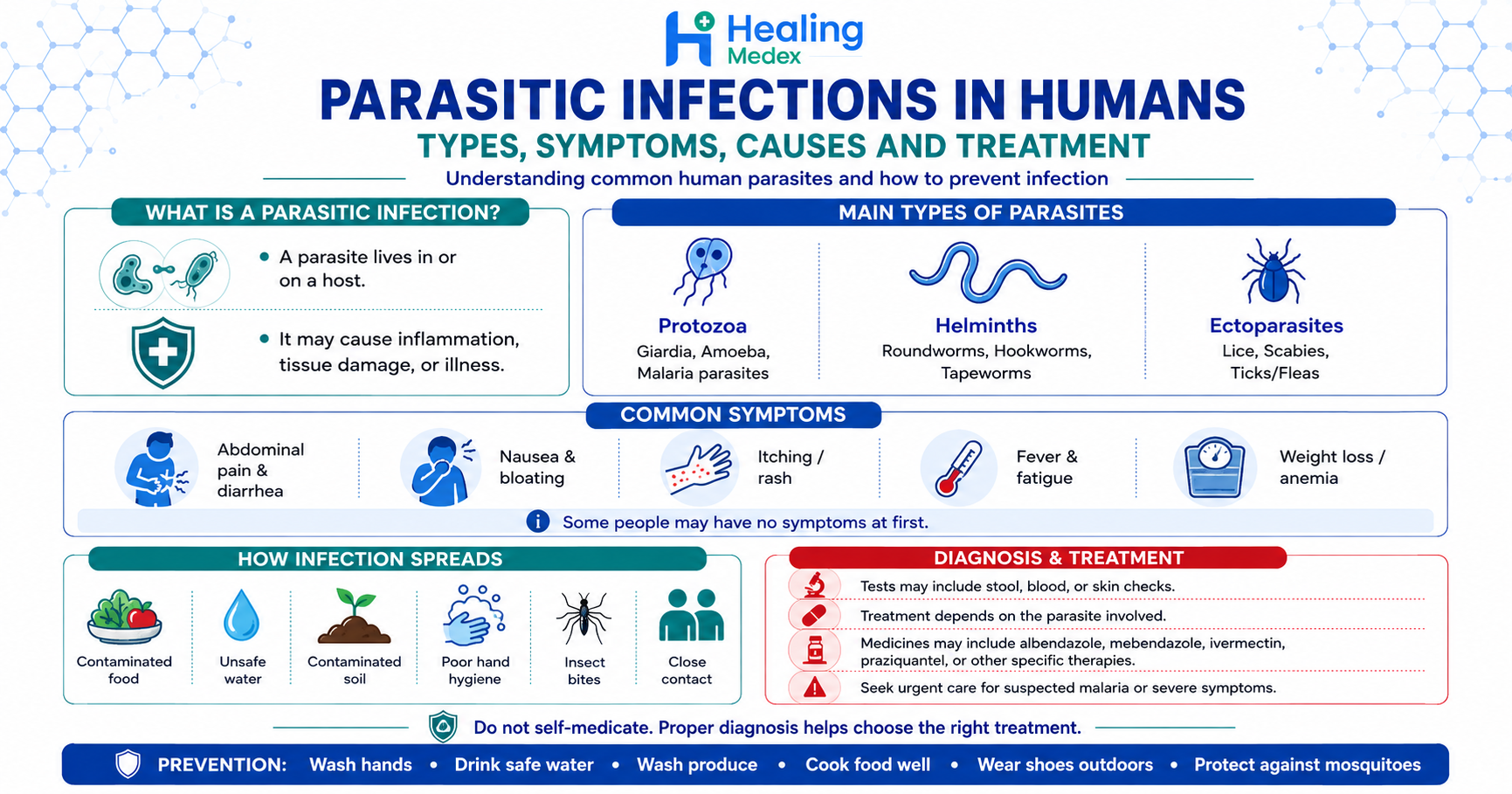
Erectile Dysfunction
Parasitic Infections in Humans: Types, Symptoms, Causes and Treatment
What Is a Parasitic Infection? A parasite is an organism that survives by living in or on another organism , known as the host. When a disease-causing parasite enters the human body, it may reproduce, consume nutrients, damage tissues, trigger inflammation, or interfere with normal organ function. Some parasitic infections cause noticeable symptoms soon after infection. Others can remain mild or even produce no symptoms for a considerable period. What Are the Main Types of Parasites in Humans? Human parasites are generally divided into three major categories. 1. Protozoa Protozoa are microscopic, single-celled organisms. Certain protozoa can multiply inside the human body. Common protozoan infections include: Giardiasis caused by Giardia Amoebiasis caused by Entamoeba histolytica Malaria caused by Plasmodium species Toxoplasmosis caused by Toxoplasma gondii Cryptosporidiosis caused by Cryptosporidium Intestinal protozoa frequently spread through contaminated food or water, while some blood parasites are transmitted by insects such as mosquitoes. 2. Helminths or Parasitic Worms Helminths are multicellular worms that can live inside the human body. Common types include: Roundworms Examples include: Ascaris Pinworms Strongyloides Hookworms Hookworm larvae can enter the body through the skin, particularly when someone walks barefoot on contaminated soil. Whipworms Whipworm infection generally occurs after swallowing parasite eggs from contaminated soil, food, or hands. Tapeworms Certain tapeworm infections may develop after eating contaminated or inadequately cooked meat or through other parasite-specific transmission routes. WHO identifies roundworm, whipworm, and hookworms among the major soil-transmitted helminths affecting humans. 3. Ectoparasites Ectoparasites live mainly on the outside of the body. Examples include: Head lice Body lice Pubic lice Scabies mites Certain ticks and fleas These parasites frequently cause itching and skin irritation and may spread through close personal contact, contaminated clothing or bedding, or environmental exposure. What Are the Symptoms of a Parasitic Infection? Symptoms vary according to: The parasite involved The part of the body affected The number of parasites How long the infection has been present The person’s age Nutritional status Immune system function Some infected people may initially have no symptoms at all . Common Symptoms of Intestinal Parasites Possible signs include: Abdominal pain or cramping Diarrhea Nausea Vomiting Excessive gas Bloating Loss of appetite Unexplained weight loss Fatigue or weakness Changes in bowel movements Mucus in stools Nutritional deficiencies For example, Giardia commonly causes diarrhea and may also produce gas, stomach cramps, nausea, dehydration, and greasy or foul-smelling stools. Symptoms of Intestinal Worms Worm infections may cause: Abdominal discomfort Diarrhea Nausea Poor appetite Weakness Weight loss Malnutrition Anemia Visible worms or worm segments in stool in certain infections WHO reports that heavier soil-transmitted worm infections may cause diarrhea, abdominal pain, malnutrition, weakness, and impaired growth. Hookworm infections can also cause chronic intestinal blood loss leading to anemia. Skin-Related Symptoms Parasites affecting the skin may cause: Severe itching Redness Rash Small bumps Scratching marks Sores caused by repeated scratching Crawling sensations in specific conditions Severe nighttime itching, particularly around the fingers, wrists, waist, or genital area, can occur with scabies. Symptoms of Blood or Tissue Parasites Some parasites infect the bloodstream or internal organs. Symptoms may include: Fever Chills Sweating Headache Muscle aches Extreme tiredness Enlarged lymph nodes Anemia Malaria is an important example of a parasitic infection transmitted through infected mosquitoes. It can become life-threatening without prompt diagnosis and appropriate treatment. What Causes Parasitic Infections? Parasites can enter the body through several routes. 1. Contaminated Food Eating contaminated food is an important route of transmission for several parasites. Risk may increase with: Poorly washed fruits and vegetables Food contaminated during preparation Undercooked meat associated with particular parasites Poor kitchen hygiene 2. Contaminated Water Drinking untreated or contaminated water may expose people to parasites such as Giardia and other intestinal organisms. Giardia can spread through contaminated water, food, surfaces, objects, or person-to-person contact . 3. Contaminated Soil Soil contaminated with human feces can contain parasite eggs or larvae. According to WHO, soil-transmitted helminths can spread when parasite eggs contaminate soil in places where sanitation is inadequate. People may ingest the eggs through contaminated vegetables, water, or unwashed hands. Hookworm larvae can also penetrate human skin. 4. Poor Hand Hygiene Not washing hands properly after: Using the toilet Changing diapers Working with soil Handling contaminated materials Before preparing or eating food can increase the risk of certain parasitic infections. 5. Insect Bites Some parasites require insects to spread between humans. For example, malaria is transmitted through the bite of an infected Anopheles mosquito . 6. Walking Barefoot on Contaminated Soil Certain hookworm larvae can penetrate exposed skin. Wearing footwear in areas where soil contamination is possible can therefore help reduce infection risk. 7. Close Person-to-Person Contact Certain infections, particularly some intestinal protozoa, lice, and scabies, may spread between people through close contact or contaminated belongings. Who Is at Greater Risk of Parasitic Infections? Anyone can develop a parasitic infection, but the risk may be higher among: People living in areas with inadequate sanitation Travelers to areas where particular parasites are common People who drink untreated water People who frequently walk barefoot outdoors Young children People with weakened immune systems People exposed to contaminated soil Individuals with limited access to clean water People eating improperly prepared food Household contacts of individuals with certain contagious parasites People with weakened immune systems may also experience more persistent or severe infections with some parasites. How Are Parasitic Infections Diagnosed? Because symptoms such as diarrhea, stomach pain, fatigue, and weight loss can have many causes, a parasitic infection should not be diagnosed from symptoms alone. A healthcare professional may consider your symptoms along with: Recent travel Food and drinking-water exposure Contact with infected people Animal exposure Living conditions Duration of symptoms Current medicines and medical conditions Depending on the suspected parasite, testing may include: Stool Tests Stool samples can be examined for: Parasite eggs Larvae Cysts Parasite antigens Genetic material from certain parasites Sometimes more than one sample may be required. Blood Tests Blood tests may help identify some parasites or detect complications such as anemia. Skin Examination Scabies, lice, and certain other ectoparasitic infections may be diagnosed by examining the affected skin or hair. Imaging or Other Tests Ultrasound, CT scans, MRI, endoscopy, biopsies, or other specialized investigations may occasionally be required when parasites are suspected in internal organs or tissues. How Are Parasitic Infections Treated? There is no single medicine that treats every parasite . Treatment depends on: The specific parasite Location of the infection Severity of disease Patient’s age and weight Pregnancy or breastfeeding Other medical conditions Other medicines being taken Local patterns of drug resistance Anthelmintic Medicines Anthelmintics are medicines used against parasitic worms. Depending on the infection, healthcare professionals may use medicines such as: Albendazole Mebendazole Ivermectin Praziquantel Pyrantel However, these medicines are not interchangeable , and the correct medicine, dose, and treatment duration depend on the particular parasite. WHO identifies albendazole and mebendazole as widely used medicines in programmes addressing soil-transmitted helminth infections. Medicines for Protozoal Infections Different antiprotozoal medicines may be used for conditions such as: Giardiasis Amoebiasis Toxoplasmosis Other protozoal infections Treatment should be chosen according to the confirmed or strongly suspected organism. For Giardia, the CDC advises discussing treatment with a healthcare provider because factors such as medical history, nutritional status, and immune function can influence management. Maintaining adequate fluid intake is also important when diarrhea is present. Treatment for Malaria Malaria requires prompt medical assessment. The medicine used depends on several factors, including: Type of malaria parasite Where the infection was acquired Possible drug resistance Severity Age Pregnancy or breastfeeding status Malaria can progress rapidly and should be treated as a potentially serious medical condition. Treatment for Lice and Scabies Treatment may involve appropriate topical or oral medicines depending on the parasite and patient’s circumstances. Household members or close contacts may also require evaluation in certain situations, and clothing, bedding, and other potentially contaminated belongings may need appropriate cleaning. Can You Treat Parasites Without Knowing Which Parasite You Have? Self-treating an unexplained illness with an antiparasitic medicine is generally not recommended. Different parasites respond to different medications, and symptoms that appear to be caused by parasites may actually result from bacterial infections, viral infections, inflammatory bowel conditions, food intolerance, medication effects, or other medical problems. Taking the wrong medicine may: Delay the correct diagnosis Cause unnecessary side effects Interact with other medicines Be unsafe during pregnancy or with certain medical conditions Fail to eliminate the actual infection A healthcare professional can determine whether testing is required and select appropriate treatment. How Can Parasitic Infections Be Prevented? Many parasitic infections can be prevented through hygiene, sanitation, food safety, and protection against insects. Wash Your Hands Wash hands thoroughly with soap and clean water: Before preparing food Before eating After using the toilet After changing diapers After working with soil Drink Safe Water Use properly treated drinking water. Travelers should be particularly cautious where water sanitation is uncertain. Wash Fruits and Vegetables Clean produce carefully before eating. Depending on local conditions, cooking or peeling food may provide additional protection. Cook Food Thoroughly Adequately cooking meat and other foods can reduce the risk of certain foodborne parasitic infections. Wear Shoes Outdoors Avoid walking barefoot where soil could be contaminated with human waste, particularly in areas where hookworm is common. WHO specifically recommends clean water, careful food washing or preparation, handwashing, and footwear as measures for reducing soil-transmitted helminth infections. Protect Yourself From Mosquitoes In areas where malaria or other mosquito-borne parasitic diseases occur: Use appropriate insect repellent Sleep under suitable mosquito nets where recommended Wear protective clothing Follow destination-specific travel health recommendations Maintain Good Household Hygiene Appropriate washing of bedding, clothes, towels, and personal items may help prevent the spread or recurrence of certain parasites such as lice and scabies. When Should You See a Doctor? Seek medical advice if you develop persistent or unexplained: Diarrhea Abdominal pain Vomiting Weight loss Severe itching Unexplained anemia Weakness or fatigue Worms or unusual material in stool Symptoms following international travel Medical evaluation is particularly important for: Infants and young children Pregnant women Older adults People with weakened immune systems People experiencing significant dehydration Fever or illness after traveling to or living in a malaria-risk area requires prompt medical attention. Malaria can become life-threatening if diagnosis and treatment are delayed. Frequently Asked Questions About Parasitic Infections 1. What is the most common symptom of parasites in humans? There is no single symptom that confirms a parasitic infection. Depending on the parasite, symptoms can include diarrhea, abdominal pain, itching, fatigue, anemia, fever, weight loss, or no symptoms at all. 2. Can intestinal parasites cause weight loss? Yes. Some intestinal parasites may interfere with digestion or nutrient absorption, reduce appetite, or cause persistent diarrhea, potentially contributing to weight loss. 3. Can parasites cause anemia? Yes. Hookworm infections can cause chronic intestinal blood loss and contribute to iron-deficiency anemia. 4. Can a person have parasites without symptoms? Yes. Some parasitic infections can remain asymptomatic, particularly when the parasite burden is relatively low. 5. Are all intestinal worms treated with the same medicine? No. Different worm species require different medicines, doses, and treatment schedules. Proper diagnosis or professional medical assessment is important before treatment. 6. How long does it take to recover from a parasitic infection? Recovery varies widely depending on the parasite, severity of infection, treatment used, and overall health of the patient. Some infections resolve quickly after appropriate treatment, while others require longer or repeated treatment. 7. Can parasitic infections come back after treatment? Yes. Reinfection may occur if a person continues to be exposed to contaminated food, water, soil, insects, infected contacts, or other sources. Final Thoughts Parasitic infections in humans range from relatively mild intestinal illnesses to potentially serious diseases involving the blood, skin, or internal organs. The major groups include protozoa, parasitic worms, and ectoparasites , and each group contains many different organisms requiring different approaches to diagnosis and treatment. Good hand hygiene, safe food and drinking water, proper sanitation, protective footwear, and prevention of insect bites can substantially reduce exposure to many parasites. Most importantly, persistent symptoms should be properly evaluated rather than treated solely on assumption. The correct antiparasitic treatment depends on identifying or strongly suspecting the parasite involved and considering the patient’s overall health.
Dr. Marcus Vance, PharmD
Anabolic Steriod
What Are Anabolic Steroids? Uses, Types, Benefits and Risks Explained
What Are Anabolic Steroids Used For? Anabolic -androgenic medicines have legitimate medical applications when prescribed by qualified healthcare professionals. Specific indications vary according to the medicine, patient and regulatory approval in each country. 1. Male Hypogonadism One of the most important medical applications of testosterone therapy is treating certain men with hypogonadism . Hypogonadism occurs when the body does not produce sufficient testosterone because of a problem involving the testes, pituitary gland or hypothalamus. Appropriate testosterone replacement may help restore testosterone levels toward the normal physiological range in properly diagnosed patients. 2. Certain Cases of Delayed Puberty Specialists may sometimes use androgen therapy in boys experiencing delayed puberty due to particular hormonal disorders. Treatment requires careful medical supervision because hormones can affect growth and sexual development. 3. Muscle Wasting Associated With Certain Diseases Anabolic agents have historically been used in selected patients experiencing severe loss of muscle mass related to illnesses such as certain cancers or HIV/AIDS. They may help stimulate lean tissue development in appropriately selected patients. 4. Certain Blood or Bone-Marrow Disorders Some anabolic agents have been used for conditions involving inadequate blood-cell production, although modern treatments have replaced steroids in many situations. Treatment decisions depend on the individual condition and should be made by a specialist. 5. Other Specialist Medical Uses Certain anabolic-androgenic medicines have also had uses in conditions involving bone health, hormone deficiencies and selected cancers. Not every anabolic steroid is approved for every condition, and approved uses vary between countries. What Are the Different Types of Anabolic Steroids? There are many anabolic-androgenic compounds. Some are derivatives of testosterone, while others have been chemically modified to alter their duration of action or anabolic and androgenic properties. Examples of medically recognized anabolic-androgenic medicines include: Testosterone Nandrolone Oxandrolone Oxymetholone Methyltestosterone Fluoxymesterone Their availability and approved indications vary considerably between countries. Anabolic-androgenic medicines may also be classified according to how they are administered. Injectable Anabolic Steroids Some testosterone and other androgen preparations are administered by injection. Different formulations remain active for different lengths of time and therefore require different medically determined dosing intervals. Oral Anabolic Steroids Certain anabolic medicines are available as tablets or capsules. Some orally active anabolic steroids can place substantial stress on the liver, particularly when misused or taken at high doses. Testosterone Gels and Topical Preparations Some testosterone replacement products are available as gels or other preparations applied to the skin. These products are designed to provide controlled testosterone replacement rather than bodybuilding-level hormone exposure. Testosterone Patches or Other Delivery Systems Depending on the country, testosterone may also be available through patches, pellets, nasal formulations or other specialized delivery systems. How Do Anabolic Steroids Work? Anabolic steroids bind to androgen receptors located throughout the body. Activating these receptors can influence gene expression and increase processes associated with protein synthesis and tissue development. Their effects are generally divided into two categories. Anabolic effects include effects related to muscle and tissue development. Androgenic effects include changes associated with male sexual development and characteristics such as facial hair, body hair and voice changes. No anabolic steroid is completely free from androgenic effects. What Are the Potential Benefits of Anabolic Steroids? The potential benefits depend heavily on why the medicine is being used . For patients with a medically confirmed hormone deficiency, appropriately prescribed androgen therapy may help improve symptoms associated with low testosterone. Depending on the underlying condition, medically supervised treatment may potentially help with: Restoring testosterone levels Maintaining muscle mass Improving symptoms related to testosterone deficiency Supporting sexual function in appropriately diagnosed patients Maintaining bone health Improving certain aspects of body composition In selected disease-related muscle-wasting conditions, anabolic agents may also help increase muscle size or strength. These medical benefits should not be confused with claims that anabolic steroids are safe or appropriate for healthy people who simply want faster muscle growth. Why Do Some People Misuse Anabolic Steroids? People may use anabolic steroids without medical advice because they believe the drugs will help them: Gain muscle faster Increase strength Improve athletic performance Change their physical appearance Recover faster between intense training sessions Some people combine several substances (“stacking”), repeatedly start and stop them (“cycling”), or progressively change doses (“pyramiding”). However, there is no evidence that these practices eliminate the serious risks associated with anabolic steroid misuse. What Are the Risks and Side Effects of Anabolic Steroids? The risk of adverse effects depends on several factors, including the specific substance, dose, duration of treatment, age, sex, existing medical conditions and whether other substances are being used at the same time. Misuse involving substantially larger-than-medical doses creates particular concern. Cardiovascular Problems Anabolic steroid misuse has been associated with serious cardiovascular complications, including: High blood pressure Unhealthy cholesterol changes Blood clots Damage to arteries Reduced heart function Heart attack Stroke Research reviewed by the U.S. National Institute on Drug Abuse notes that anabolic steroid use can raise LDL (“bad”) cholesterol and lower HDL (“good”) cholesterol, potentially contributing to atherosclerosis and cardiovascular disease. Hormonal Problems in Men Steroid misuse can interfere with the body’s natural testosterone-production system. Possible consequences include: Reduced natural testosterone production Reduced sperm production Testicular shrinkage Infertility Erectile dysfunction Breast tissue enlargement Hair loss Normal hormone production can take time to recover after anabolic steroid use is stopped, and some changes may persist. Effects on Women Anabolic steroids can produce masculinizing effects in women. Possible changes include: Increased facial or body hair Deepening of the voice Menstrual irregularities Hair loss Reduction in breast size Changes in sexual function Severe acne Some androgen-related changes, particularly voice deepening, may not completely reverse after the drug is discontinued. Liver Problems Certain anabolic steroids, particularly some oral formulations, can damage the liver. Potential complications can include abnormal liver function, liver injury and, in severe circumstances, more serious liver disease. Kidney Problems Steroid misuse has also been associated with kidney problems, particularly when combined with dehydration, very high protein intake, other performance-enhancing substances or pre-existing kidney disease. Acne and Skin Changes Anabolic steroids may stimulate sebaceous glands and increase skin oil production. Possible effects include: Oily skin Facial acne Back and shoulder acne Severe inflammatory or cystic acne People genetically susceptible to androgen-related hair loss may also notice accelerated scalp hair thinning. Psychological Effects Steroid misuse can affect mood and behavior. Reported psychological effects include: Mood swings Irritability Aggressive behavior Anxiety Depression Mania Paranoia Delusions Not everyone experiences these symptoms, but significant mood or behavioral changes require medical attention. Can Anabolic Steroids Affect Fertility? Yes. Using external anabolic-androgenic steroids can suppress the hormonal signals that normally tell the testes to produce testosterone and sperm. As a result, men may develop: Reduced sperm production Lower sperm count Testicular shrinkage Low natural testosterone Reduced fertility Recovery after stopping steroids varies considerably between individuals and may take months or longer. Medical assessment is recommended when fertility is a concern. Can Anabolic Steroids Cause Erectile Dysfunction? They can. Although testosterone and anabolic steroids may initially increase sexual drive in some people, prolonged or excessive use can suppress the body’s natural hormone production. When steroid use is discontinued, testosterone levels may remain low for a period of time. This can contribute to symptoms such as: Reduced libido Erectile difficulties Fatigue Mood changes Reduced sperm production Anyone experiencing these symptoms should speak with a qualified healthcare professional rather than attempting to correct hormone levels independently. Are Anabolic Steroids Addictive? Anabolic steroid misuse can lead to dependence. People may continue using steroids despite physical or psychological complications and may feel unable to maintain their appearance or performance without them. Stopping after prolonged misuse may also be associated with withdrawal symptoms such as: Depression Anxiety Fatigue Difficulty concentrating Sleeping problems Reduced sexual desire Headaches Muscle and joint discomfort Professional medical support can be particularly important for people having difficulty stopping anabolic steroids. Are Anabolic Steroids Safe? Anabolic steroids should not simply be classified as either “safe” or “unsafe” without considering how and why they are being used. When a medically appropriate anabolic-androgenic medicine is prescribed at a therapeutic dose and the patient is properly monitored, its benefits may outweigh its risks. Non-medical use is different. Taking anabolic steroids without medical supervision — particularly in large doses, for prolonged periods or in combination with multiple performance-enhancing substances — can substantially increase the risk of serious complications. What Monitoring May Be Needed During Medical Testosterone or Anabolic Steroid Treatment? Monitoring depends on the medicine and the patient’s medical history. A healthcare provider may assess factors such as: Testosterone or other hormone levels Blood pressure Cholesterol and lipid levels Red blood cell measurements Liver function Prostate health when appropriate Fertility concerns Treatment response Possible adverse effects Patients should attend recommended follow-up appointments and report new symptoms. When Should You Seek Medical Advice? Talk with a healthcare professional if you are considering testosterone or another anabolic-androgenic medicine. Medical evaluation is particularly important if you experience symptoms such as: Chest pain Shortness of breath Severe headache Sudden weakness or numbness Yellowing of the skin or eyes Severe mood or behavioral changes Persistent erectile dysfunction Testicular shrinkage Fertility problems Significant breast enlargement Severe acne Difficulty stopping steroid use Symptoms suggestive of a heart attack, stroke or another medical emergency require immediate emergency care. Frequently Asked Questions About Anabolic Steroids 1. Are anabolic steroids testosterone? Not all anabolic steroids are testosterone, but they are related to testosterone and have anabolic and androgenic activity. Some medications contain testosterone itself, while others are chemically modified testosterone derivatives. 2. Do anabolic steroids increase muscle mass? Anabolic steroids can stimulate processes associated with muscle growth and may increase lean muscle mass. However, using them without a legitimate medical indication exposes users to significant health risks. 3. Are anabolic steroids the same as protein supplements? No. Protein supplements provide dietary protein. Anabolic steroids are hormone-active drugs that affect androgen receptors and the body’s endocrine system. 4.Are anabolic steroids the same as corticosteroids? No. Corticosteroids are primarily used to control inflammation and immune-system activity. Anabolic steroids resemble testosterone and primarily affect androgen-sensitive tissues. 5. Can anabolic steroids reduce natural testosterone? Yes. External anabolic-androgenic hormones can suppress the body’s normal hormone signaling and reduce natural testosterone production. 6.Can anabolic steroids cause infertility? Yes. Suppression of normal reproductive hormones can reduce sperm production and fertility in men. Recovery varies from person to person. 7. Can steroid side effects be permanent? Some effects may improve after stopping, while others can persist. For example, certain androgen-related hair changes and voice deepening in women can potentially be irreversible. Cardiovascular or organ damage may also have long-term consequences. 8. Should anabolic steroids be stopped suddenly? Anyone using a medically prescribed anabolic-androgenic medicine should speak with their healthcare provider before changing or stopping treatment. People using steroids non-medically who want to stop should also consider obtaining medical guidance, particularly when use has been prolonged or withdrawal symptoms occur. Conclusion Anabolic steroids, or anabolic-androgenic steroids, are powerful substances that mimic many of the effects of testosterone. They have legitimate roles in medicine, particularly for certain hormone deficiencies and selected specialist conditions. When appropriately prescribed, their potential benefits can outweigh their risks for suitable patients. However, using anabolic steroids without medical supervision to build muscle or enhance athletic performance can have significant consequences. Potential complications involve the heart, blood vessels, liver, kidneys, reproductive system, hormone production, skin and mental health . The safest approach is to use testosterone or other anabolic-androgenic medicines only when recommended by a qualified healthcare professional and to undergo appropriate medical monitoring throughout treatment.
Dr. Marcus Vance, PharmD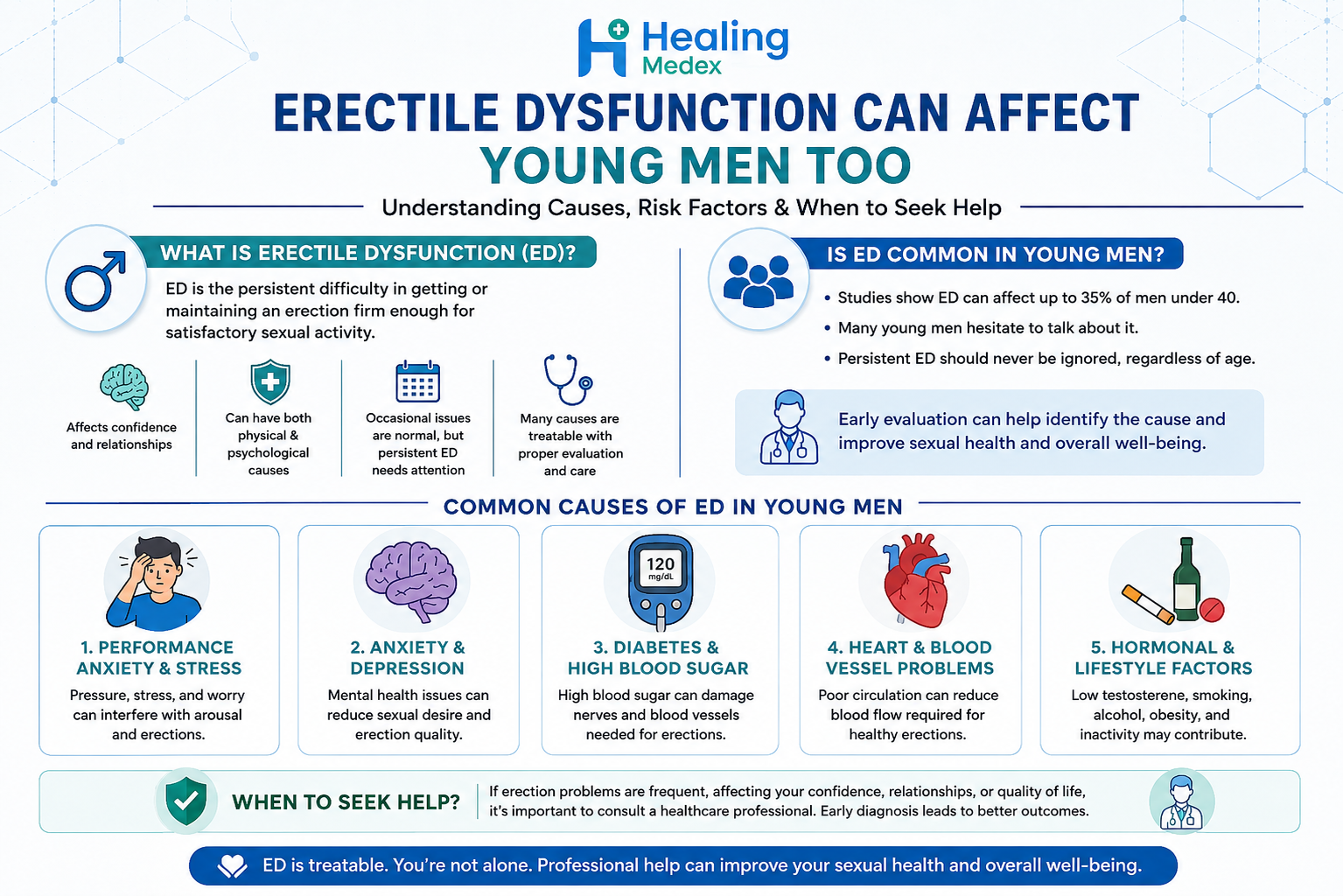
Erectile Dysfunction
Erectile Dysfunction in Young Men: Causes and When to Seek Help
Erectile Dysfunction Can Affect Young Men Too Erectile dysfunction (ED) is often associated with older age, but younger men can experience erection problems as well. ED refers to persistent difficulty getting or maintaining an erection firm enough for satisfactory sexual activity. Having difficulty getting an erection occasionally does not necessarily mean you have erectile dysfunction. Stress, fatigue, alcohol, relationship concerns, or an unusually demanding day can temporarily affect sexual performance. However, when erection difficulties happen repeatedly or begin affecting confidence, relationships, or sexual wellbeing, they deserve attention. Importantly, ED in younger men should not automatically be assumed to be psychological. Both physical and psychological factors can contribute, and sometimes several factors are involved at the same time. Is Erectile Dysfunction Common in Young Men? ED becomes more common with increasing age, but research shows that it is not limited to older adults. Studies evaluating men under 40 have reported widely varying prevalence estimates. A recent review noted rates as high as approximately 35% in some populations, although estimates differ substantially depending on the population studied and how erectile dysfunction is defined. Younger men may also hesitate to talk about sexual difficulties because they assume ED should not happen at their age. This can delay evaluation of potentially treatable causes. The key point is simple: young age does not rule out erectile dysfunction, and persistent ED should not simply be ignored. What Causes Erectile Dysfunction in Young Men? An erection depends on several systems working together, including: the brain hormones nerves blood vessels muscles emotions and psychological wellbeing A problem affecting any part of this process can contribute to erectile difficulties. In younger men, causes generally fall into several categories. 1. Performance Anxiety Performance anxiety is an important contributor to erection problems among younger men. A person may begin worrying about questions such as: Will I be able to get an erection? Will I maintain it? Will my partner be satisfied? What if the problem happens again? That anxiety can interfere with sexual arousal. After one unsuccessful sexual experience, worrying about another episode can sometimes create a repeating cycle: Erection difficulty → anxiety → increased pressure → another erection difficulty. Psychological factors should therefore be taken seriously rather than dismissed. 2. Stress Work pressure, financial concerns, lack of sleep, relationship difficulties, academic stress, and other life pressures can affect sexual function. Sexual arousal begins in the brain, so significant or prolonged stress can interfere with the signals involved in developing and maintaining an erection. Stress may also indirectly contribute through poor sleep, increased alcohol use, smoking, reduced exercise, or changes in relationships. 3. Anxiety and Depression Mental health and sexual health can strongly influence one another. Anxiety and depression may decrease sexual desire or interfere with arousal and erection quality. At the same time, experiencing ED may increase anxiety, reduce confidence, and create additional relationship stress. Mayo Clinic lists depression, anxiety, stress, and relationship difficulties among psychological factors that can cause or worsen erectile dysfunction. Seeking appropriate mental health support can therefore be an important part of ED management when psychological factors are involved. 4. Relationship Problems Communication difficulties, emotional distance, conflict, lack of trust, or concerns about sexual expectations can sometimes contribute to erection problems. ED associated with relationship factors does not mean the symptoms are imaginary. Psychological and relationship factors can produce genuine changes in sexual response. Couples counseling or sex therapy may sometimes be recommended alongside medical evaluation. 5. Diabetes and High Blood Sugar Diabetes is an important physical cause of erectile dysfunction. Over time, high blood sugar can damage blood vessels and nerves involved in erections. Someone experiencing persistent ED — particularly when accompanied by symptoms or risk factors for diabetes — may benefit from medical evaluation and appropriate blood testing. Diabetes is among the health conditions recognized by the National Institute of Diabetes and Digestive and Kidney Diseases (NIDDK) as being associated with erectile dysfunction. 6. Cardiovascular and Blood-Vessel Problems Healthy erections depend heavily on adequate blood flow. Conditions that affect blood vessels may interfere with blood reaching the penis. Risk factors can include: high blood pressure high cholesterol diabetes obesity smoking physical inactivity Although cardiovascular disease is more common with increasing age, vascular causes of ED can occur in younger adults too. Research has highlighted the importance of considering cardiovascular and metabolic risk factors when evaluating younger men with persistent ED. For this reason, persistent ED may sometimes provide an opportunity for a doctor to identify previously unrecognized cardiovascular risk factors. 7. Low Testosterone and Other Hormonal Problems Testosterone plays an important role in male sexual health. Low testosterone may be associated with symptoms such as: reduced sexual desire fatigue changes in mood reduced muscle mass erection difficulties in some men Other hormonal conditions, including certain thyroid disorders, may also affect erectile function. However, erection difficulties alone do not confirm low testosterone. A healthcare professional can determine whether hormone testing is appropriate based on symptoms and medical history. NIDDK includes testosterone and thyroid abnormalities among possible hormonal causes of ED. 8. Smoking Smoking can damage blood vessels and reduce healthy circulation. Because adequate blood flow is essential for erections, tobacco use can increase the risk of erectile difficulties. Stopping smoking may improve cardiovascular health and may also benefit erectile function as part of an overall treatment plan. 9. Excessive Alcohol and Recreational Drugs Alcohol may temporarily reduce sexual performance, particularly when consumed in larger amounts. Heavy or prolonged alcohol use can also contribute to hormonal, neurological, and cardiovascular problems that may affect erectile function. Recreational and illicit drugs may interfere with the nervous system, circulation, hormones, or psychological wellbeing as well. Reducing excessive alcohol consumption and avoiding recreational drugs may therefore be recommended as part of ED management. 10. Being Overweight and Lack of Exercise Obesity and physical inactivity are associated with conditions that can contribute to erectile dysfunction, including diabetes, high blood pressure, metabolic problems, and cardiovascular disease. Regular physical activity, a balanced diet, and maintaining an appropriate body weight can improve overall health and may support erectile function. Lifestyle measures recommended by NIDDK for people with ED include increasing physical activity, maintaining a healthy weight, following a healthy eating plan, quitting smoking, and reducing excessive alcohol use. 11. Certain Medicines Sometimes ED is related to a medication rather than an underlying sexual-health disorder. Medicines that may affect erectile function in some people include certain: antidepressants blood pressure medicines antihistamines diuretics medicines used for particular prostate conditions other prescription or over-the-counter medicines Do not stop a prescribed medicine because you suspect it is causing ED. Instead, discuss the problem with the prescribing healthcare professional. They can determine whether the medicine may be contributing and whether a safe alternative is appropriate. 12. Nerve or Pelvic Injuries An erection requires healthy nerve communication between the brain, spinal cord, and penis. Conditions or injuries affecting these nerves can sometimes cause erectile dysfunction. Examples include: spinal cord injuries pelvic injuries certain neurological disorders complications following some pelvic surgeries Structural problems involving the penis, including Peyronie’s disease, may also interfere with sexual activity. Psychological ED vs Physical ED: How Can You Tell? It is tempting to diagnose the cause yourself based on your symptoms, but the distinction is not always straightforward. For example, erection problems that occur mainly during partnered sexual activity but not during masturbation or spontaneous erections may suggest a psychological component. A gradual decline in erections across different situations may raise greater concern for a physical contributor. However, these patterns are not diagnostic . Many men have a combination of physical and psychological factors. A small physical difficulty can trigger performance anxiety, which then makes the erection problem more severe. A proper evaluation is therefore more useful than trying to label ED as either “physical” or “psychological” on your own. When Should a Young Man See a Doctor for Erectile Dysfunction? An occasional erection problem is usually not a reason to panic. Consider speaking with a healthcare professional when: erection difficulties keep happening you regularly cannot maintain an erection long enough for sexual activity symptoms have continued for several weeks or months ED is creating significant anxiety or relationship problems your sexual desire has noticeably decreased you have diabetes, high blood pressure, high cholesterol, or cardiovascular risk factors symptoms appeared after starting a new medicine you have penile pain, curvature, or another noticeable physical change you have other unexplained symptoms alongside ED Mayo Clinic recommends discussing erectile concerns with a healthcare professional, particularly when ED is persistent, occurs alongside another sexual problem, or when there are underlying health conditions that could be associated with it. How Is Erectile Dysfunction Diagnosed in Young Men? Evaluation usually begins with a conversation rather than complicated testing. A healthcare professional may ask about: when the problem started whether you can obtain an erection at certain times but not others morning or nighttime erections sexual desire medical conditions medicines and supplements smoking and alcohol use mental health stress relationship factors A physical examination may also be performed. Depending on your history and symptoms, blood tests or additional investigations may be recommended to look for hormonal, metabolic, vascular, or other medical causes. NIDDK notes that ED diagnosis may involve a medical, sexual, and mental-health history, physical examination, laboratory tests, and — in selected situations — specialized testing such as penile blood-flow evaluation. Can Erectile Dysfunction in Young Men Be Treated? In many cases, yes. The appropriate treatment depends on why the ED is occurring . Management may include: Lifestyle Changes A healthcare professional may recommend: quitting smoking exercising regularly reducing excessive alcohol consumption maintaining a healthy weight improving diet avoiding recreational drugs improving sleep Psychological Support When anxiety, depression, performance pressure, or relationship difficulties are contributing, counseling or psychological therapy may help. Treating Underlying Medical Conditions Improving control of conditions such as diabetes, high blood pressure, hormonal disorders, or other underlying problems may improve overall health and erectile function. Prescription ED Medicines Medicines that increase blood flow to the penis are available for appropriate patients. However, ED medicines are not suitable for everyone and can interact with other medicines or medical conditions. A licensed healthcare professional should determine whether a treatment is appropriate. Avoid self-diagnosing ED or taking prescription erectile dysfunction medicines obtained from unreliable sources without appropriate medical guidance. Why Young Men Shouldn’t Ignore Persistent ED It is easy to assume that ED at a young age must simply be due to nervousness. Sometimes it is. But sometimes it isn’t. Evidence shows that younger men can have psychological, vascular, hormonal, neurological, medication-related, and other physical contributors to ED. Identifying the cause can help address the erection problem while also potentially detecting health conditions that deserve treatment in their own right. Frequently Asked Questions Is ED normal in your 20s? Occasional difficulty getting or maintaining an erection can happen at any age and does not automatically mean you have erectile dysfunction. Repeated or persistent problems, however, should be discussed with a healthcare professional. Can anxiety cause erectile dysfunction in young men? Yes. Anxiety — particularly performance anxiety — can interfere with sexual arousal and contribute to difficulty getting or maintaining an erection. Stress, depression, and relationship concerns may also contribute. Can erectile dysfunction go away on its own? Temporary erection difficulties related to factors such as stress, fatigue, or alcohol may improve when the contributing factor resolves. Persistent ED may require treatment of an underlying physical or psychological cause. Rather than waiting indefinitely, consider medical evaluation when symptoms continue or repeatedly return. Does ED in young men always mean low testosterone? No. Low testosterone is only one possible contributor. Anxiety, vascular health, diabetes, medications, smoking, alcohol, neurological conditions, relationship issues, and many other factors may contribute. Hormone testing should be considered based on an individual’s symptoms and clinical assessment. Can lifestyle changes improve erectile function? They may help, particularly when cardiovascular or metabolic health contributes to ED. Regular exercise, healthy weight management, stopping smoking, limiting excessive alcohol, and following a healthy eating pattern are among the lifestyle measures recommended for people with erectile dysfunction. Should I take ED medicine if I am young? Age alone does not determine whether an ED medicine is appropriate. A healthcare professional should first consider the possible cause of your symptoms, your overall health, other medicines you use, and potential contraindications or interactions. Self-medication can hide an underlying health problem and may expose you to unnecessary risks. Final Thoughts Erectile dysfunction in young men is more common than many people assume, and experiencing ED does not automatically mean there is a serious medical problem. Stress, performance anxiety, relationship difficulties, lifestyle factors, medications, hormonal changes, diabetes, cardiovascular risk factors, and neurological conditions can all contribute. The most important distinction is between an occasional erection problem and a persistent or recurring pattern . If erection difficulties continue, become more frequent, or are accompanied by other symptoms, consider speaking with a qualified healthcare professional. Identifying the underlying cause is usually the best starting point for finding an appropriate solution. Healing Medex encourages informed and responsible men’s healthcare. Sexual-health concerns are common medical issues and can be discussed confidentially with an appropriately qualified healthcare professional.
Dr. Marcus Vance, PharmD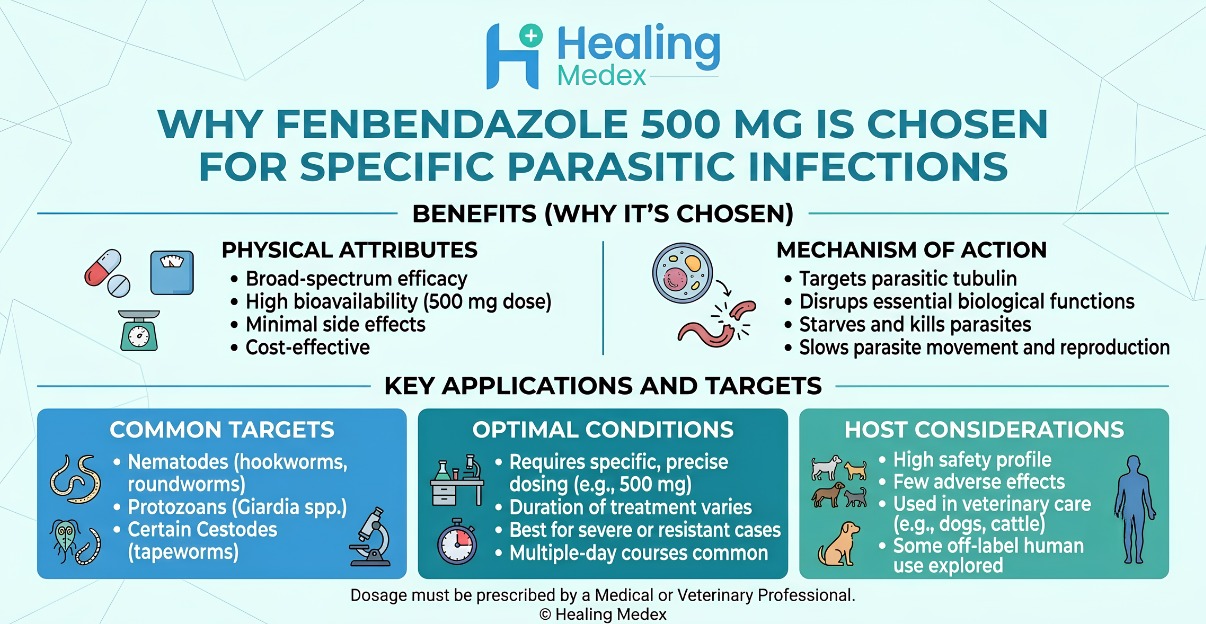
blog
Fenbendazole 500 mg: Uses, Benefits, Safety & Parasite Treatment Guide | Healing Medex
Fenbendazole 500 mg: Uses, Dosage Considerations, Side Effects & Safety Guide: Fenbendazole 500 mg is an antiparasitic medicine primarily used in veterinary medicine to help treat certain parasitic worm infections in animals. It belongs to the benzimidazole class of anthelmintic medicines and is used to manage susceptible intestinal parasites. Fenbendazole works by interfering with important biological processes inside susceptible parasites. This can affect their ability to absorb nutrients and maintain normal cellular functions, eventually helping eliminate the parasites from the animal's body. Because fenbendazole is widely discussed online, it is important to understand what it is actually intended for, how it works, and how it should be used responsibly. Important: Veterinary medicines are formulated for specific animal species and should not automatically be considered suitable for human use. With the increasing availability of medicines through online platforms, people may search for fenbendazole without fully understanding the correct product, strength, formulation, or intended use. At Healing Medex , we believe that medicines should be approached with accurate information, professional guidance, and responsible use . This guide explains: What Fenbendazole 500 mg is How it works Common veterinary uses Dosage considerations Possible side effects Safety precautions Important considerations when obtaining it online What Is Fenbendazole 500 mg? Fenbendazole is an antiparasitic medicine belonging to the benzimidazole group of anthelmintic medicines . It is primarily used in veterinary medicine to control certain types of parasitic worms. Fenbendazole may be available in different formulations and strengths. The 500 mg strength indicates the amount of fenbendazole contained in a particular product or dosage unit. However, this does not mean that 500 mg is an appropriate dose for every animal . The correct treatment can depend on several factors, including: Animal species Body weight Age Type of parasite Severity of infection Product formulation Treatment duration Fenbendazole is commonly used in veterinary care when a veterinarian determines that the parasite is susceptible to treatment. The specific product instructions should always be followed carefully. It is also important to distinguish veterinary medicines from medicines approved for human use. Fenbendazole products intended for animals should not be used by people as a substitute for approved human antiparasitic medicines. How Does Fenbendazole Work? Fenbendazole works by interfering with tubulin , a protein that plays an important role in the structure and function of parasite cells. The medicine disrupts the formation and function of microtubules within susceptible parasites. This can interfere with the parasite's ability to absorb nutrients and carry out essential cellular processes. As these processes are disrupted, the parasite may become unable to maintain normal growth, development, and survival. Fenbendazole's effectiveness depends on the specific parasite and whether that organism is susceptible to the medicine. Important Note Fenbendazole should not be assumed to treat every type of parasite. Different parasites may require different medicines or treatment approaches. Identifying the parasite is an important part of selecting appropriate treatment. Important Uses of Fenbendazole Fenbendazole is primarily used in veterinary medicine for certain parasitic worm infections. 1. Roundworms Roundworms are intestinal parasites that can affect various animals, including dogs and livestock . Depending on the parasite and animal species, fenbendazole may be used as part of a veterinary deworming treatment. Roundworm infections may cause: Digestive problems Changes in appetite Poor growth Weight loss Other health concerns 2. Hookworms Hookworms are parasitic worms that can attach to the intestinal lining of susceptible animals. Certain hookworm infections can contribute to: Digestive problems Weakness Blood loss A veterinarian may recommend fenbendazole when it is considered appropriate for the specific parasite and animal. 3. Whipworms Whipworms can affect the intestinal tract, particularly in dogs . Infected animals may experience: Diarrhea Abdominal discomfort Weight loss Changes in normal bowel movements Fenbendazole may be included in a treatment plan when the parasite is susceptible and veterinary assessment supports its use. 4. Other Susceptible Parasites Fenbendazole has activity against several susceptible gastrointestinal parasites. However, its effectiveness varies depending on the organism. Not every parasitic infection responds to fenbendazole , so veterinary diagnosis and guidance are important before treatment. Why Proper Diagnosis Is Important Parasitic infections can produce a wide range of symptoms. Animals may experience: Diarrhea Vomiting Weight loss Poor appetite Weakness Abdominal discomfort Changes in stool However, these symptoms can also be caused by many other health conditions, including: Dietary problems Bacterial infections Allergies Digestive disorders Other diseases Treating an animal based only on symptoms may therefore fail to address the actual cause of the problem. A veterinarian may consider the animal's: Medical history Physical examination Body weight Age Stool testing Other relevant factors Correct diagnosis helps ensure that the appropriate medicine and treatment approach are selected. Fenbendazole 500 mg Dosage Considerations The appropriate amount of fenbendazole depends on the individual veterinary situation. Factors that may influence treatment include: Animal species Body weight Age Type of parasite Severity of infection Existing health conditions Product formulation Treatment duration A 500 mg product should not automatically be given as a complete dose simply because the package states 500 mg. Pet owners should follow the exact instructions provided by a veterinarian and the directions on the specific approved veterinary product. Do not: Increase the dose without professional advice Repeat treatment unnecessarily Extend the treatment period without guidance Using an incorrect dose may reduce the effectiveness of treatment or increase the risk of unwanted effects. Can Humans Use Fenbendazole? Fenbendazole is primarily a veterinary medicine , and veterinary formulations should not be used for human self-treatment. There are online discussions about experimental or unapproved uses of fenbendazole in humans. However, online claims should not be interpreted as evidence that veterinary fenbendazole is safe or effective for treating human diseases. People who believe they may have a parasitic infection should consult a qualified healthcare professional . A healthcare professional can identify the underlying condition and recommend an appropriate medicine that is approved and suitable for human use. Using a veterinary medicine without professional medical guidance can expose a person to: Inappropriate formulations Incorrect dosing Other unknown risks Possible Side Effects of Fenbendazole Like other medicines, fenbendazole may cause unwanted effects in some animals. Possible reactions can include: Temporary digestive upset Vomiting Diarrhea Reduced appetite Changes in stool Mild gastrointestinal discomfort Tiredness Changes in normal behavior Individual reactions can vary depending on the animal, its health condition, the parasite being treated, and the specific product used. If an animal develops severe, persistent, or unusual symptoms after receiving fenbendazole, contact a veterinarian promptly. Pet owners should also inform the veterinarian about any other medicines, supplements, or treatments the animal is receiving. Fenbendazole and Other Medicines Animals may sometimes receive several medicines at the same time. Before starting fenbendazole, tell the veterinarian about all medicines and supplements currently being given to the animal. This may include: Prescription medicines Over-the-counter products Vitamins and supplements Other antiparasitic medicines Herbal or nutritional products A veterinarian can determine whether the combination is appropriate and whether additional monitoring may be necessary. Avoid combining multiple deworming medicines simply because they are available online or appear to have similar purposes. Who Should Take Extra Precautions? Certain animals may require additional veterinary assessment before receiving antiparasitic treatment. This may include: Very young animals Older animals Pregnant or nursing animals Underweight animals Animals with chronic health conditions Animals taking multiple medicines Animals with a history of medicine reactions The veterinarian can determine whether fenbendazole is appropriate based on the animal's individual health condition. Never assume that a treatment prescribed for one animal is automatically suitable for another animal. Buying Fenbendazole Online: What Should You Check? Online pharmacies and veterinary medicine suppliers can make it easier to access products, but buyers should still verify the reliability of the source. 1. Verify the Product Check the following: Product name Strength Dosage form Manufacturer Batch information Expiry date Packaging Product instructions If any information appears inconsistent or unclear, contact the supplier or veterinarian before using the product. 2. Choose a Trusted Source Use a reputable pharmacy or veterinary medicine supplier that provides: Clear product information Transparent contact details Reliable product labeling Avoid websites that make unrealistic medical claims or provide medicines without appropriate product information. 3. Check Storage Conditions Some medicines require specific storage conditions to maintain their quality. When receiving an online order, check whether: The packaging is intact The product appears properly stored The manufacturer's storage instructions have been followed 4. Avoid Damaged or Expired Products Do not use medicines that are: Expired Damaged Contaminated Unclear or incorrectly labeled If you have concerns about the condition of an online order, contact the supplier or a veterinary professional before using it. Veterinary Fenbendazole vs Human Medicines One of the most important safety considerations is understanding the difference between veterinary and human medicines . Veterinary medicines may contain: Different formulations Different concentrations Different inactive ingredients Dosage instructions specifically designed for animals A veterinary product should not be considered equivalent to a human medicine simply because both are described as antiparasitic treatments. People should not substitute veterinary fenbendazole for an approved human antiparasitic medicine without appropriate medical direction. Common Mistakes to Avoid When searching for fenbendazole online, avoid these common mistakes: Assuming veterinary fenbendazole is automatically safe for humans Choosing a dose based only on the 500 mg strength Treating an animal without identifying the underlying parasite Using another animal's treatment instructions Ignoring the animal's body weight Buying products from unverified online sellers Using expired or damaged products Combining multiple antiparasitic medicines without professional advice Assuming fenbendazole treats every type of parasite Relying on social media claims instead of veterinary guidance Responsible antiparasitic treatment begins with accurate diagnosis and professional advice. Storage and Handling Fenbendazole should be stored according to the instructions provided on the specific product label. General precautions include: Avoid unsuitable temperatures Protect from excessive moisture when instructed Avoid direct sunlight if the product instructions advise against it Keep medicines away from children Keep medicines away from animals not intended to receive the treatment Do not use a product if its packaging has been: Opened improperly Damaged Contaminated Altered in a way that raises concerns about its quality If an online order arrives with damaged packaging or incorrect product information, contact the supplier or veterinarian before administering it. Why Choose a Trusted Source? When obtaining veterinary medicines online, reliability and transparency are important . A responsible supplier should provide clear information about: Medicine strength Product formulation Manufacturer Expiry information Intended use Healing Medex focuses on providing accessible information about medicines and healthcare products while encouraging responsible medicine use. If you are considering fenbendazole for an animal, always verify that the product is appropriate for the specific animal and condition. Professional veterinary guidance can help ensure that the correct medicine and treatment approach are selected. Frequently Asked Questions (FAQs) What is Fenbendazole 500 mg used for? Fenbendazole is primarily used in veterinary medicine to treat certain susceptible parasitic worm infections. The appropriate use depends on the animal species and parasite involved. Is Fenbendazole an antibiotic ? No. Fenbendazole is an antiparasitic medicine belonging to the benzimidazole class of anthelmintic medicines. It is not an antibiotic. Can Fenbendazole be used for dogs? Fenbendazole may be used in dogs for certain susceptible parasitic infections when recommended by a veterinarian and administered according to appropriate product instructions. Can humans take Fenbendazole 500 mg? Fenbendazole is primarily a veterinary medicine. People should not self-medicate with veterinary fenbendazole products. Anyone concerned about a parasitic infection should consult a qualified healthcare professional. Does Fenbendazole treat all parasites? No. Fenbendazole works against certain susceptible parasites but does not treat every type of parasite. The correct treatment depends on the organism causing the infection. Is Fenbendazole safe for every animal? Not necessarily. The suitability of fenbendazole depends on: Animal species Age Health condition Type of parasite Specific product Veterinary guidance is recommended. Is buying Fenbendazole online safe? Obtaining veterinary medicines online can be appropriate when using a reputable and authorized supplier and following applicable regulations. Always verify: Product information Packaging Expiry date Intended use before administering the medicine. Conclusion Fenbendazole 500 mg is an antiparasitic medicine primarily used in veterinary medicine to help manage certain parasitic worm infections. It works by interfering with essential biological processes within susceptible parasites, which can prevent their normal growth and survival. Understanding the medicine's uses, mechanism of action, dosage considerations, possible side effects, and safety precautions is important before treatment. Fenbendazole should not be assumed to work against every parasite, and the correct treatment depends on the specific animal and infection . Before obtaining fenbendazole online, verify the: Product details Manufacturer Strength Expiry date Packaging Choose a reliable source and follow the treatment instructions provided by a qualified veterinary professional. At Healing Medex , we encourage informed and responsible medicine use . Always seek professional veterinary guidance to determine whether fenbendazole is appropriate, which formulation should be used, and how the treatment should be administered safely.
Dr. Marcus Vance, PharmD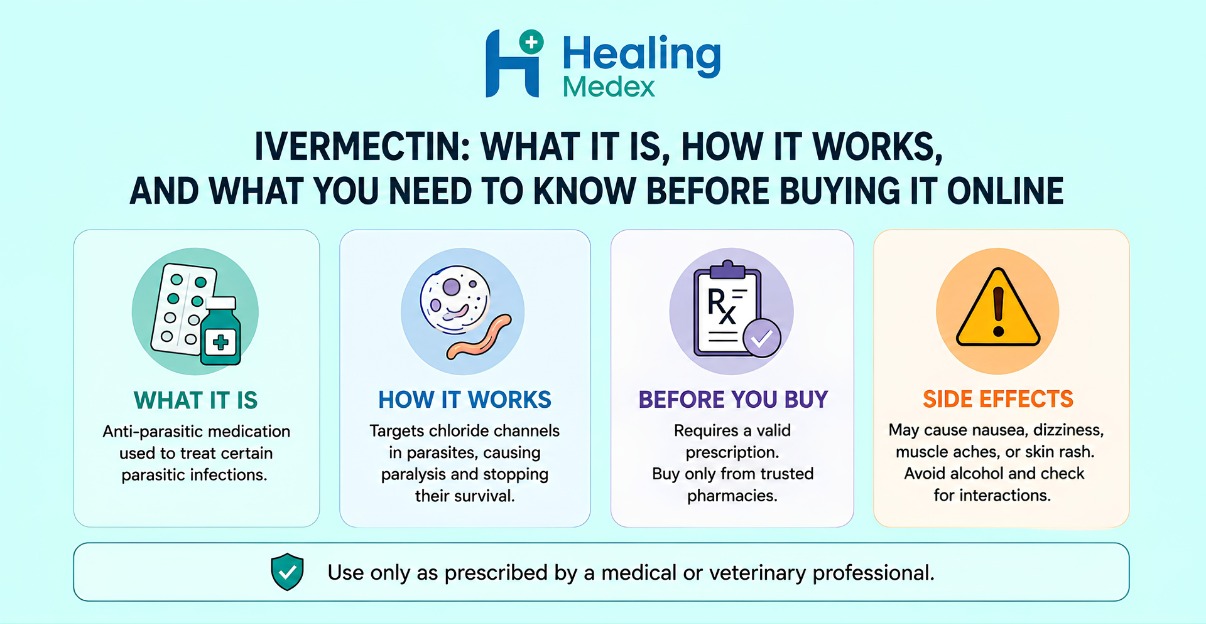
blog
Ivermectin: What It Is, How It Works & Safe Buying Guide | Healing Medex
Ivermectin: Uses, Dosage Considerations, Side Effects & Safety Guide Ivermectin is an antiparasitic medicine used in both human and veterinary medicine for specific parasitic infections. It belongs to a class of medicines known as anthelmintic and antiparasitic agents . Depending on the formulation and approved use, ivermectin may be used to treat certain infections caused by internal or external parasites. Ivermectin works by affecting the nervous and muscular function of susceptible parasites, helping immobilize or eliminate them. Because ivermectin is widely discussed online, it is important to understand what it is actually intended for, how it works, and how it should be used responsibly. Important: Human and veterinary ivermectin products are not interchangeable. Animal formulations should not be used by people unless specifically directed by a qualified healthcare professional. With the increasing availability of medicines through online platforms, people may search for ivermectin without fully understanding the correct product, strength, formulation, or intended use. At Healing Medex , we believe that medicines should be approached with accurate information, professional guidance, and responsible use . This guide explains: What Ivermectin is How it works Common uses Dosage considerations Possible side effects Safety precautions Important considerations when obtaining it online What Is Ivermectin? Ivermectin is an antiparasitic medicine used for certain parasitic infections. Different formulations of ivermectin may be available for human or veterinary use , including oral and topical products. The appropriate use of ivermectin depends on several factors, including: The type of parasite The condition being treated The patient's or animal's body weight Age Overall health condition The specific product formulation Other medicines being used The correct product and treatment approach should always depend on the specific medical or veterinary situation. A medicine's strength alone does not determine whether it is the correct dose for every individual. How Does Ivermectin Work? Ivermectin works by affecting specific processes involved in the nervous and muscular function of susceptible parasites. This can interfere with the parasite's ability to function normally and may lead to paralysis or death of susceptible organisms. Its effectiveness depends on: The specific parasite The type of infection The formulation being used Whether the organism is susceptible to ivermectin Important Note Ivermectin should not be assumed to treat every type of parasite. Different parasitic infections may require different medicines. Proper diagnosis is important before beginning treatment. Important Uses of Ivermectin Ivermectin has specific uses in human and veterinary medicine depending on the formulation and applicable medical guidance. 1. Certain Parasitic Worm Infections In human medicine, oral ivermectin is used for certain parasitic infections caused by susceptible worms. Examples of recognized uses include specific infections such as: Intestinal strongyloidiasis Onchocerciasis (river blindness) The appropriate treatment depends on the infection and the individual's medical condition. 2. External Parasites Certain formulations of ivermectin may be used for specific external parasitic conditions. Depending on the product and approved indication, topical ivermectin formulations may be used for conditions involving certain parasites or skin disorders. The correct formulation should always be selected based on the condition being treated. 3. Veterinary Parasite Control Veterinary ivermectin products may be used for parasite control in certain animal species. Depending on the specific product and animal, ivermectin may be used against certain: Internal parasites External parasites Worm infections However, veterinary products are formulated and labeled specifically for particular animal species and should only be used according to veterinary guidance and product instructions. Why Proper Diagnosis Is Important Parasitic infections can produce a wide range of symptoms. Depending on the condition, a person or animal may experience symptoms that overlap with many other health problems. Treating based only on symptoms may fail to address the actual cause. A healthcare professional or veterinarian may consider: Medical history Physical examination Body weight Age Laboratory or diagnostic testing The suspected parasite Other health conditions Correct diagnosis helps ensure that the appropriate medicine and treatment approach are selected. Ivermectin Dosage Considerations The appropriate dose of ivermectin depends on the individual situation. Factors that may influence treatment include: The condition being treated Body weight Age Type of parasite Human or veterinary formulation Overall health condition Other medicines being used The specific product instructions Do not choose a dose based only on the strength written on the package. Different ivermectin products may have different concentrations and formulations. Always follow: Instructions from a qualified healthcare professional for human treatment Instructions from a veterinarian for animal treatment Directions provided with the specific approved product Do not: Increase the dose without professional advice Repeat treatment unnecessarily Use a product intended for another species Combine medicines without appropriate guidance Using an incorrect dose can increase the risk of unwanted effects. Can Humans Use Veterinary Ivermectin? No. Human and veterinary ivermectin products should not be treated as interchangeable. Animal ivermectin products may have different: Formulations Concentrations Inactive ingredients Dosage instructions People should not self-medicate with ivermectin products intended for animals. If you believe you may have a parasitic infection, consult a qualified healthcare professional . A healthcare professional can: Identify the underlying condition Recommend appropriate testing Determine whether ivermectin is suitable Prescribe or recommend an appropriate human formulation when medically indicated Important Information About Ivermectin and COVID-19 Ivermectin should not be used for the prevention or treatment of COVID-19 unless a qualified healthcare professional determines there is a specific medically appropriate reason. Regulatory authorities have stated that currently available evidence does not support using ivermectin for routine prevention or treatment of COVID-19. Always rely on qualified medical guidance rather than online claims or social media information. Possible Side Effects of Ivermectin Like other medicines, ivermectin may cause unwanted effects. Possible side effects can include: Nausea Vomiting Diarrhea Abdominal discomfort Dizziness Tiredness Headache Skin reactions in some cases The type and severity of side effects can depend on: The condition being treated The dose The formulation Other medicines being used Individual health factors Taking excessive amounts of ivermectin can be dangerous. Serious symptoms should receive prompt medical attention. Ivermectin and Other Medicines Ivermectin may interact with other medicines in certain situations. Before using ivermectin, tell your healthcare professional or veterinarian about all medicines and supplements currently being used. This may include: Prescription medicines Over-the-counter medicines Vitamins and supplements Other antiparasitic medicines Herbal products A healthcare professional or veterinarian can determine whether the combination is appropriate. Avoid combining medicines simply because they appear to have similar purposes. Who Should Take Extra Precautions? Certain individuals or animals may require additional professional assessment before receiving ivermectin. This may include: Young children or young animals Older individuals or animals Pregnant or nursing individuals or animals Individuals with certain health conditions Animals with chronic health conditions Those taking multiple medicines Individuals or animals with a history of medicine reactions The suitability of ivermectin depends on the individual's or animal's specific circumstances. Never assume that a treatment appropriate for one person or animal is automatically suitable for another. Buying Ivermectin Online: What Should You Check? Online pharmacies and suppliers may make medicines more accessible, but buyers should verify the reliability of the source. 1. Verify the Product Check the following: Product name Strength Dosage form Manufacturer Batch information Expiry date Packaging Product instructions Whether the product is intended for human or veterinary use If any information appears inconsistent or unclear, contact a qualified professional or the supplier before using the product. 2. Choose a Trusted Source Use a reputable and legitimate pharmacy or authorized supplier that provides: Clear product information Transparent contact details Reliable product labeling Avoid websites that: Make unrealistic medical claims Promote self-medication Sell unclear or improperly labeled products 3. Check Storage Conditions Medicines should be stored according to the manufacturer's instructions. When receiving an online order, check whether: The packaging is intact The product appears properly stored The labeling is clear The product information matches the order 4. Avoid Damaged or Expired Products Do not use medicines that are: Expired Damaged Contaminated Improperly labeled If you have concerns about the condition of a product, contact the supplier or an appropriate healthcare professional before using it. Human Ivermectin vs Veterinary Ivermectin One of the most important safety considerations is understanding the difference between human and veterinary ivermectin products . Veterinary medicines may have: Different formulations Different concentrations Different inactive ingredients Different dosage instructions Species-specific labeling A veterinary ivermectin product should not be considered equivalent to a human medicine. People should not substitute animal ivermectin for a product intended and prescribed for human use. Common Mistakes to Avoid When searching for ivermectin online, avoid these common mistakes: Assuming animal ivermectin is safe for human use Choosing a dose based only on package strength Treating a suspected infection without proper diagnosis Using another person's treatment instructions Ignoring body weight and health factors Buying products from unverified sellers Using expired or damaged medicines Combining multiple medicines without professional advice Assuming ivermectin treats every parasite Relying on social media claims instead of qualified medical guidance Using ivermectin as a substitute for approved treatment for unrelated conditions Responsible medicine use begins with accurate diagnosis and professional guidance. Storage and Handling Ivermectin should be stored according to the instructions provided on the specific product label. General precautions may include: Avoid unsuitable temperatures Protect from excessive moisture when instructed Avoid direct sunlight if specified Keep medicines away from children Keep veterinary medicines away from people Do not use a product if its packaging has been: Opened improperly Damaged Contaminated Altered in a way that raises concerns about quality If an online order arrives with damaged packaging or incorrect product information, contact the supplier or an appropriate professional before using it. Why Choose a Trusted Source? When obtaining medicines online, reliability and transparency are important . A responsible supplier should provide clear information about: Medicine strength Product formulation Manufacturer Expiry information Intended use Whether the product is for human or veterinary use Healing Medex focuses on providing accessible information about medicines and healthcare products while encouraging responsible medicine use. Before using ivermectin, always verify that the product is appropriate for the specific condition and intended user. Professional medical or veterinary guidance can help ensure that the correct medicine and treatment approach are selected. Frequently Asked Questions (FAQs) What is Ivermectin used for? Ivermectin is an antiparasitic medicine used for certain specific parasitic infections. Its use depends on the condition, parasite, formulation, and whether the medicine is intended for human or veterinary use. Is Ivermectin an antibiotic ? No. Ivermectin is an antiparasitic medicine. It is not an antibiotic. Can humans take veterinary Ivermectin? People should not self-medicate with ivermectin products intended for animals. Human and veterinary products may differ in formulation and concentration. Does Ivermectin treat all parasites? No. Ivermectin works against certain susceptible parasites but does not treat every type of parasite. The correct treatment depends on the organism causing the infection. Can Ivermectin be used for animals? Yes, certain veterinary ivermectin products are used for parasite control in specific animal species. However, the correct product and treatment instructions depend on the animal species and condition. Veterinary guidance is recommended. Is Ivermectin safe for everyone? Not necessarily. Suitability depends on factors such as: Age Body weight Health condition Other medicines Type of infection Product formulation Professional guidance is recommended. Is buying Ivermectin online safe? Obtaining medicines online may be appropriate when using a reputable and legitimate supplier and following applicable regulations. Always verify: Product information Packaging Expiry date Manufacturer Intended use Whether the product is for humans or animals before using the medicine. Conclusion Ivermectin is an antiparasitic medicine used for specific parasitic infections in humans and animals, depending on the formulation and approved or medically appropriate use. Understanding the medicine's uses, mechanism of action, dosage considerations, possible side effects, and safety precautions is important before treatment. Ivermectin should not be assumed to work against every parasite, and the correct treatment depends on the specific infection, individual, and product formulation . Human and veterinary ivermectin products should not be treated as interchangeable. Before obtaining ivermectin online, verify the: Product details Manufacturer Strength Expiry date Packaging Intended human or veterinary use Choose a reliable source and follow the guidance of a qualified healthcare professional or veterinarian. At Healing Medex , we encourage informed and responsible medicine use . Always seek professional guidance to determine whether ivermectin is appropriate, which formulation should be used, and how treatment should be administered safely.
Dr. Marcus Vance, PharmD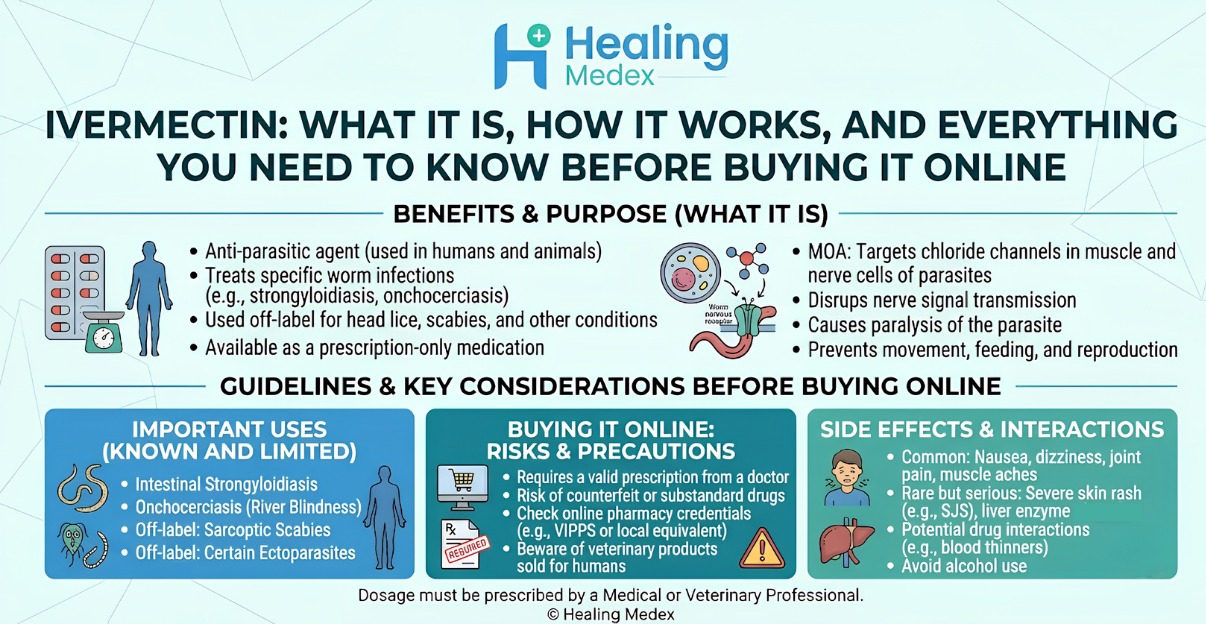
blog
Ivermectin Uses, Benefits, Side Effects & Buying Guide | Healing Medex
Ivermectin: Uses, Dosage Considerations, Side Effects & Safety Guide Ivermectin is an antiparasitic medicine used in both human and veterinary medicine for specific parasitic infections. It belongs to a class of medicines known as anthelmintic and antiparasitic agents . Depending on the formulation and approved use, ivermectin may be used to treat certain infections caused by internal or external parasites. Ivermectin works by affecting the nervous and muscular function of susceptible parasites, helping immobilize or eliminate them. Because ivermectin is widely discussed online, it is important to understand what it is actually intended for, how it works, and how it should be used responsibly. Important: Human and veterinary ivermectin products are not interchangeable. Animal formulations should not be used by people unless specifically directed by a qualified healthcare professional. With the increasing availability of medicines through online platforms, people may search for ivermectin without fully understanding the correct product, strength, formulation, or intended use. At Healing Medex , we believe that medicines should be approached with accurate information, professional guidance, and responsible use . This guide explains: What Ivermectin is How it works Common uses Dosage considerations Possible side effects Safety precautions Important considerations when obtaining it online What Is Ivermectin? Ivermectin is an antiparasitic medicine used for certain parasitic infections. Different formulations of ivermectin may be available for human or veterinary use , including oral and topical products. The appropriate use of ivermectin depends on several factors, including: The type of parasite The condition being treated The patient's or animal's body weight Age Overall health condition The specific product formulation Other medicines being used The correct product and treatment approach should always depend on the specific medical or veterinary situation. A medicine's strength alone does not determine whether it is the correct dose for every individual. How Does Ivermectin Work? Ivermectin works by affecting specific processes involved in the nervous and muscular function of susceptible parasites. This can interfere with the parasite's ability to function normally and may lead to paralysis or death of susceptible organisms. Its effectiveness depends on: The specific parasite The type of infection The formulation being used Whether the organism is susceptible to ivermectin Important Note Ivermectin should not be assumed to treat every type of parasite. Different parasitic infections may require different medicines. Proper diagnosis is important before beginning treatment. Important Uses of Ivermectin Ivermectin has specific uses in human and veterinary medicine depending on the formulation and applicable medical guidance. 1. Certain Parasitic Worm Infections In human medicine, oral ivermectin is used for certain parasitic infections caused by susceptible worms. Examples of recognized uses include specific infections such as: Intestinal strongyloidiasis Onchocerciasis (river blindness) The appropriate treatment depends on the infection and the individual's medical condition. 2. External Parasites Certain formulations of ivermectin may be used for specific external parasitic conditions. Depending on the product and approved indication, topical ivermectin formulations may be used for conditions involving certain parasites or skin disorders. The correct formulation should always be selected based on the condition being treated. 3. Veterinary Parasite Control Veterinary ivermectin products may be used for parasite control in certain animal species. Depending on the specific product and animal, ivermectin may be used against certain: Internal parasites External parasites Worm infections However, veterinary products are formulated and labeled specifically for particular animal species and should only be used according to veterinary guidance and product instructions. Why Proper Diagnosis Is Important Parasitic infections can produce a wide range of symptoms. Depending on the condition, a person or animal may experience symptoms that overlap with many other health problems. Treating based only on symptoms may fail to address the actual cause. A healthcare professional or veterinarian may consider: Medical history Physical examination Body weight Age Laboratory or diagnostic testing The suspected parasite Other health conditions Correct diagnosis helps ensure that the appropriate medicine and treatment approach are selected. Ivermectin Dosage Considerations The appropriate dose of ivermectin depends on the individual situation. Factors that may influence treatment include: The condition being treated Body weight Age Type of parasite Human or veterinary formulation Overall health condition Other medicines being used The specific product instructions Do not choose a dose based only on the strength written on the package. Different ivermectin products may have different concentrations and formulations. Always follow: Instructions from a qualified healthcare professional for human treatment Instructions from a veterinarian for animal treatment Directions provided with the specific approved product Do not: Increase the dose without professional advice Repeat treatment unnecessarily Use a product intended for another species Combine medicines without appropriate guidance Using an incorrect dose can increase the risk of unwanted effects. Can Humans Use Veterinary Ivermectin? No. Human and veterinary ivermectin products should not be treated as interchangeable. Animal ivermectin products may have different: Formulations Concentrations Inactive ingredients Dosage instructions People should not self-medicate with ivermectin products intended for animals. If you believe you may have a parasitic infection, consult a qualified healthcare professional . A healthcare professional can: Identify the underlying condition Recommend appropriate testing Determine whether ivermectin is suitable Prescribe or recommend an appropriate human formulation when medically indicated Important Information About Ivermectin and COVID-19 Ivermectin should not be used for the prevention or treatment of COVID-19 unless a qualified healthcare professional determines there is a specific medically appropriate reason. Regulatory authorities have stated that currently available evidence does not support using ivermectin for routine prevention or treatment of COVID-19. Always rely on qualified medical guidance rather than online claims or social media information. Possible Side Effects of Ivermectin Like other medicines, ivermectin may cause unwanted effects. Possible side effects can include: Nausea Vomiting Diarrhea Abdominal discomfort Dizziness Tiredness Headache Skin reactions in some cases The type and severity of side effects can depend on: The condition being treated The dose The formulation Other medicines being used Individual health factors Taking excessive amounts of ivermectin can be dangerous. Serious symptoms should receive prompt medical attention. Ivermectin and Other Medicines Ivermectin may interact with other medicines in certain situations. Before using ivermectin, tell your healthcare professional or veterinarian about all medicines and supplements currently being used. This may include: Prescription medicines Over-the-counter medicines Vitamins and supplements Other antiparasitic medicines Herbal products A healthcare professional or veterinarian can determine whether the combination is appropriate. Avoid combining medicines simply because they appear to have similar purposes. Who Should Take Extra Precautions? Certain individuals or animals may require additional professional assessment before receiving ivermectin. This may include: Young children or young animals Older individuals or animals Pregnant or nursing individuals or animals Individuals with certain health conditions Animals with chronic health conditions Those taking multiple medicines Individuals or animals with a history of medicine reactions The suitability of ivermectin depends on the individual's or animal's specific circumstances. Never assume that a treatment appropriate for one person or animal is automatically suitable for another. Buying Ivermectin Online: What Should You Check? Online pharmacies and suppliers may make medicines more accessible, but buyers should verify the reliability of the source. 1. Verify the Product Check the following: Product name Strength Dosage form Manufacturer Batch information Expiry date Packaging Product instructions Whether the product is intended for human or veterinary use If any information appears inconsistent or unclear, contact a qualified professional or the supplier before using the product. 2. Choose a Trusted Source Use a reputable and legitimate pharmacy or authorized supplier that provides: Clear product information Transparent contact details Reliable product labeling Avoid websites that: Make unrealistic medical claims Promote self-medication Sell unclear or improperly labeled products 3. Check Storage Conditions Medicines should be stored according to the manufacturer's instructions. When receiving an online order, check whether: The packaging is intact The product appears properly stored The labeling is clear The product information matches the order 4. Avoid Damaged or Expired Products Do not use medicines that are: Expired Damaged Contaminated Improperly labeled If you have concerns about the condition of a product, contact the supplier or an appropriate healthcare professional before using it. Human Ivermectin vs Veterinary Ivermectin One of the most important safety considerations is understanding the difference between human and veterinary ivermectin products . Veterinary medicines may have: Different formulations Different concentrations Different inactive ingredients Different dosage instructions Species-specific labeling A veterinary ivermectin product should not be considered equivalent to a human medicine. People should not substitute animal ivermectin for a product intended and prescribed for human use. Common Mistakes to Avoid When searching for ivermectin online, avoid these common mistakes: Assuming animal ivermectin is safe for human use Choosing a dose based only on package strength Treating a suspected infection without proper diagnosis Using another person's treatment instructions Ignoring body weight and health factors Buying products from unverified sellers Using expired or damaged medicines Combining multiple medicines without professional advice Assuming ivermectin treats every parasite Relying on social media claims instead of qualified medical guidance Using ivermectin as a substitute for approved treatment for unrelated conditions Responsible medicine use begins with accurate diagnosis and professional guidance. Storage and Handling Ivermectin should be stored according to the instructions provided on the specific product label. General precautions may include: Avoid unsuitable temperatures Protect from excessive moisture when instructed Avoid direct sunlight if specified Keep medicines away from children Keep veterinary medicines away from people Do not use a product if its packaging has been: Opened improperly Damaged Contaminated Altered in a way that raises concerns about quality If an online order arrives with damaged packaging or incorrect product information, contact the supplier or an appropriate professional before using it. Why Choose a Trusted Source? When obtaining medicines online, reliability and transparency are important . A responsible supplier should provide clear information about: Medicine strength Product formulation Manufacturer Expiry information Intended use Whether the product is for human or veterinary use Healing Medex focuses on providing accessible information about medicines and healthcare products while encouraging responsible medicine use. Before using ivermectin, always verify that the product is appropriate for the specific condition and intended user. Professional medical or veterinary guidance can help ensure that the correct medicine and treatment approach are selected. Frequently Asked Questions (FAQs) What is Ivermectin used for? Ivermectin is an antiparasitic medicine used for certain specific parasitic infections. Its use depends on the condition, parasite, formulation, and whether the medicine is intended for human or veterinary use. Is Ivermectin an antibiotic ? No. Ivermectin is an antiparasitic medicine. It is not an antibiotic. Can humans take veterinary Ivermectin? People should not self-medicate with ivermectin products intended for animals. Human and veterinary products may differ in formulation and concentration. Does Ivermectin treat all parasites? No. Ivermectin works against certain susceptible parasites but does not treat every type of parasite. The correct treatment depends on the organism causing the infection. Can Ivermectin be used for animals? Yes, certain veterinary ivermectin products are used for parasite control in specific animal species. However, the correct product and treatment instructions depend on the animal species and condition. Veterinary guidance is recommended. Is Ivermectin safe for everyone? Not necessarily. Suitability depends on factors such as: Age Body weight Health condition Other medicines Type of infection Product formulation Professional guidance is recommended. Is buying Ivermectin online safe? Obtaining medicines online may be appropriate when using a reputable and legitimate supplier and following applicable regulations. Always verify: Product information Packaging Expiry date Manufacturer Intended use Whether the product is for humans or animals before using the medicine. Conclusion Ivermectin is an antiparasitic medicine used for specific parasitic infections in humans and animals, depending on the formulation and approved or medically appropriate use. Understanding the medicine's uses, mechanism of action, dosage considerations, possible side effects, and safety precautions is important before treatment. Ivermectin should not be assumed to work against every parasite, and the correct treatment depends on the specific infection, individual, and product formulation . Human and veterinary ivermectin products should not be treated as interchangeable. Before obtaining ivermectin online, verify the: Product details Manufacturer Strength Expiry date Packaging Intended human or veterinary use Choose a reliable source and follow the guidance of a qualified healthcare professional or veterinarian. At Healing Medex , we encourage informed and responsible medicine use . Always seek professional guidance to determine whether ivermectin is appropriate, which formulation should be used, and how treatment should be administered safely.
Dr. Marcus Vance, PharmD